Total Solar Eclipse
A Moment in the Moon’s Shadow
On April 8, 2024, a total solar eclipse crossed parts of North America, giving millions of people the opportunity to experience the Moon completely blocking the Sun. Watching the Moon slowly move across the Sun is fascinating on its own. What begins as a small bite taken out of the Sun gradually becomes something much more dramatic as daylight fades, shadows change, and the world around you begins to look a little different.
A total solar eclipse happens when the Moon passes directly between Earth and the Sun, completely blocking the Sun’s bright surface for observers within a narrow region called the path of totality.
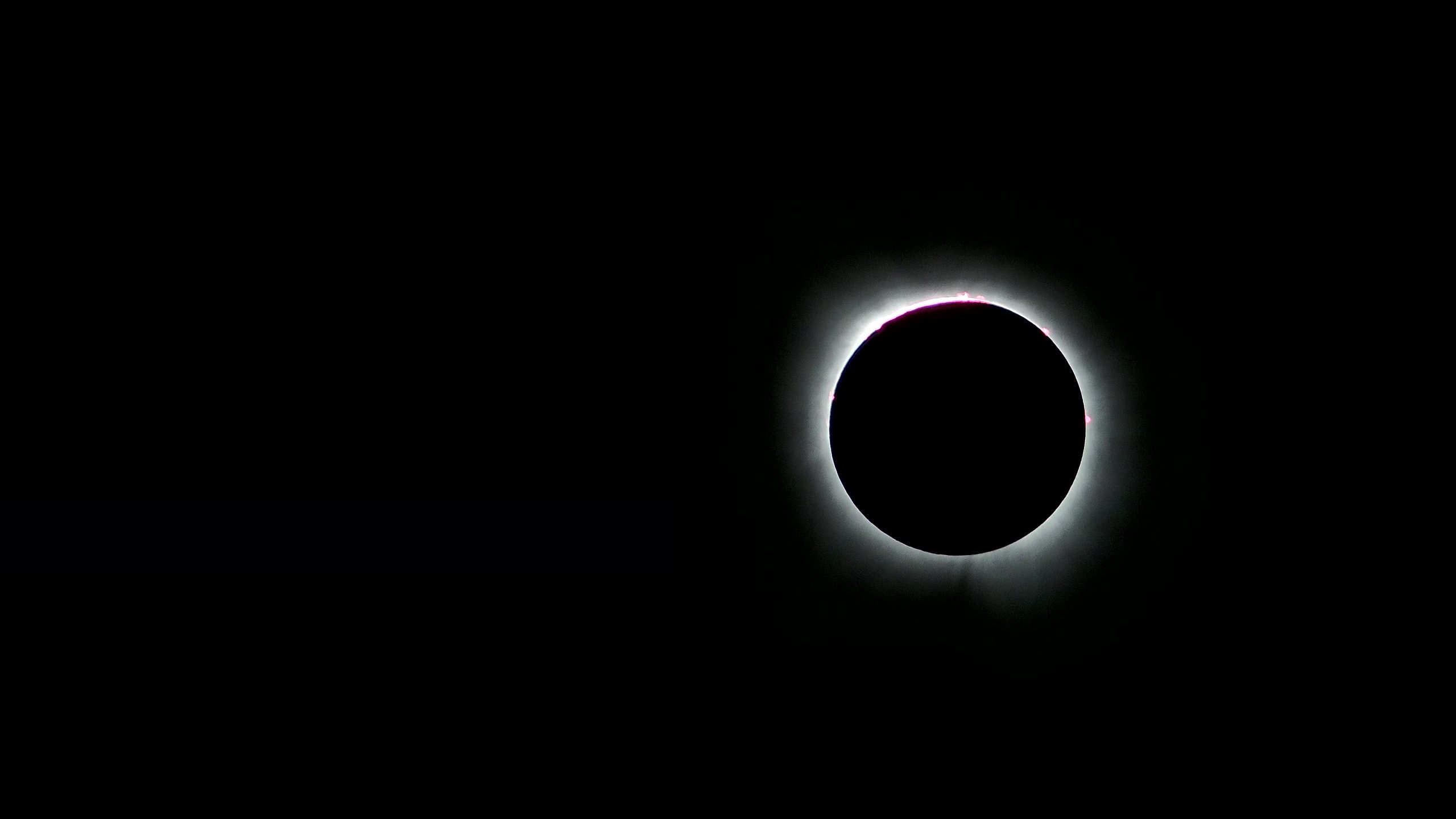
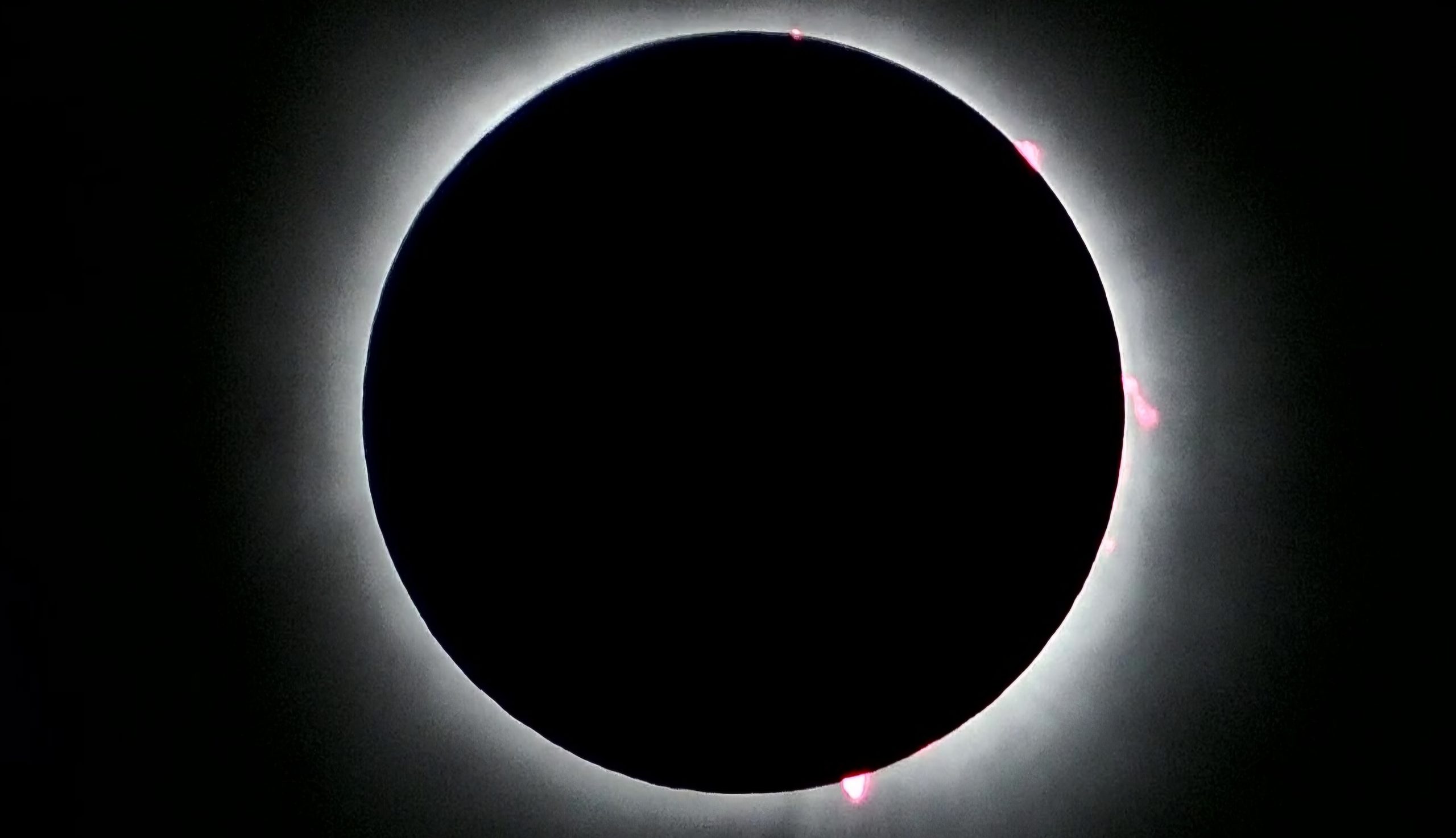
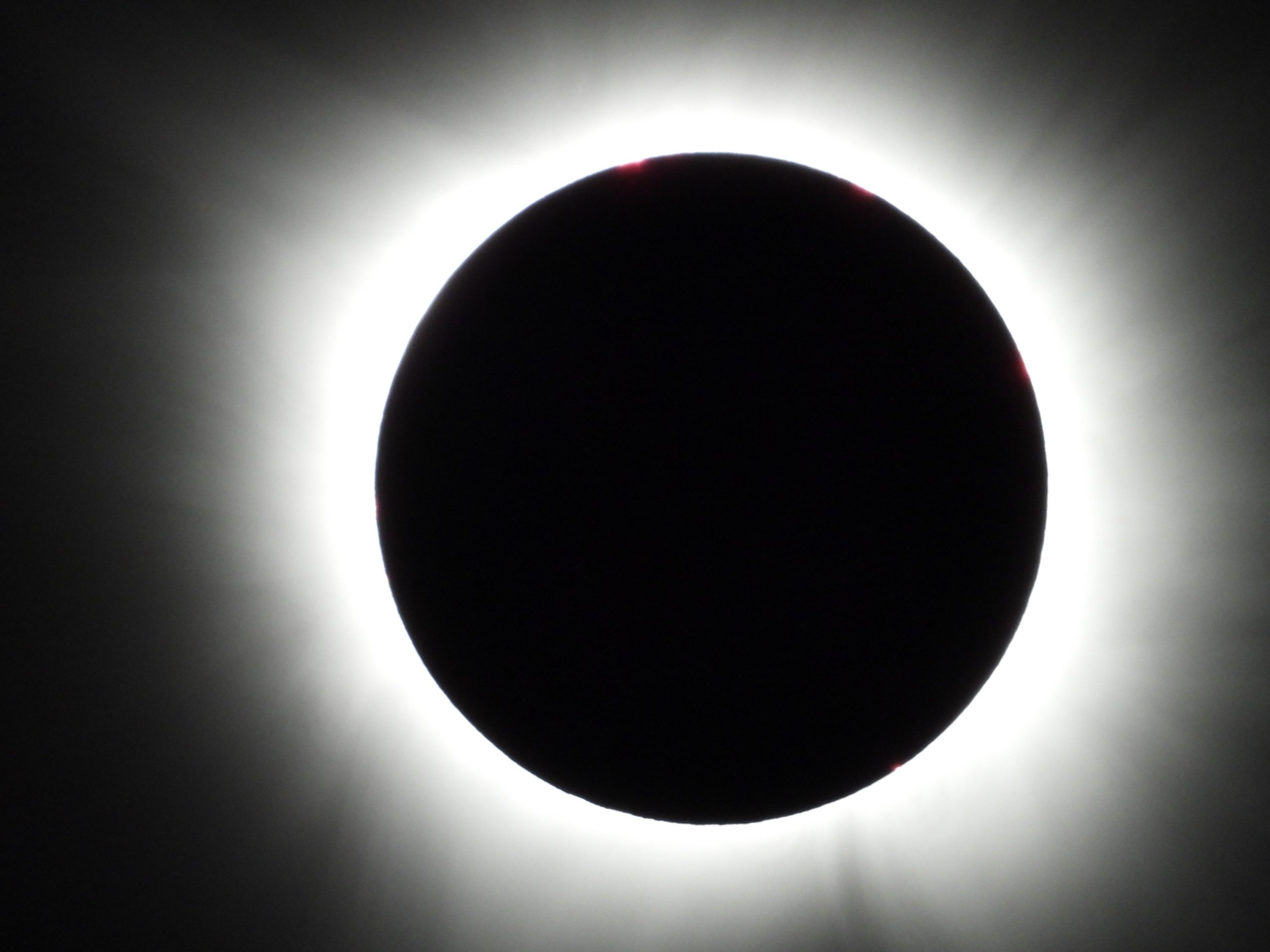
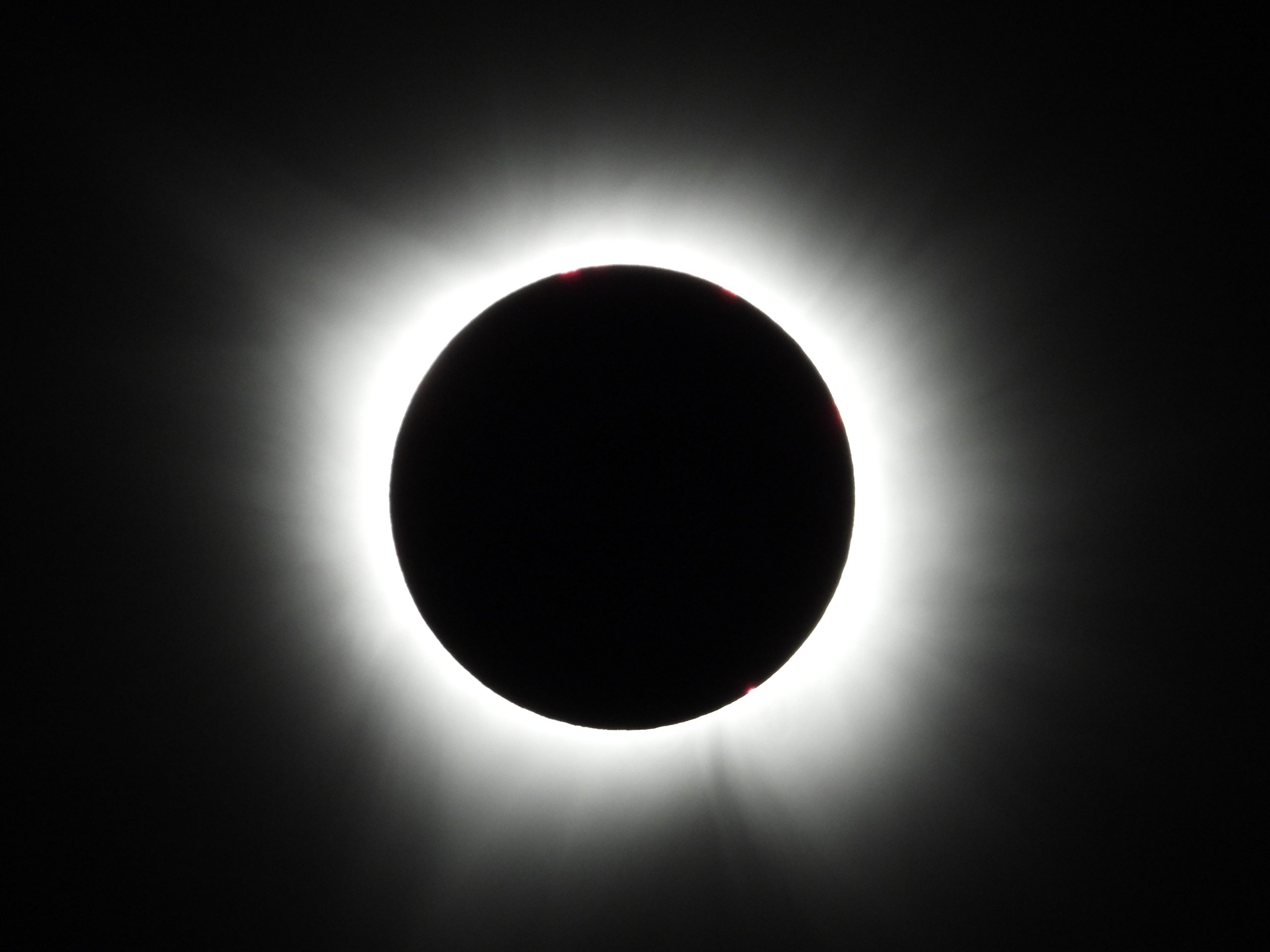
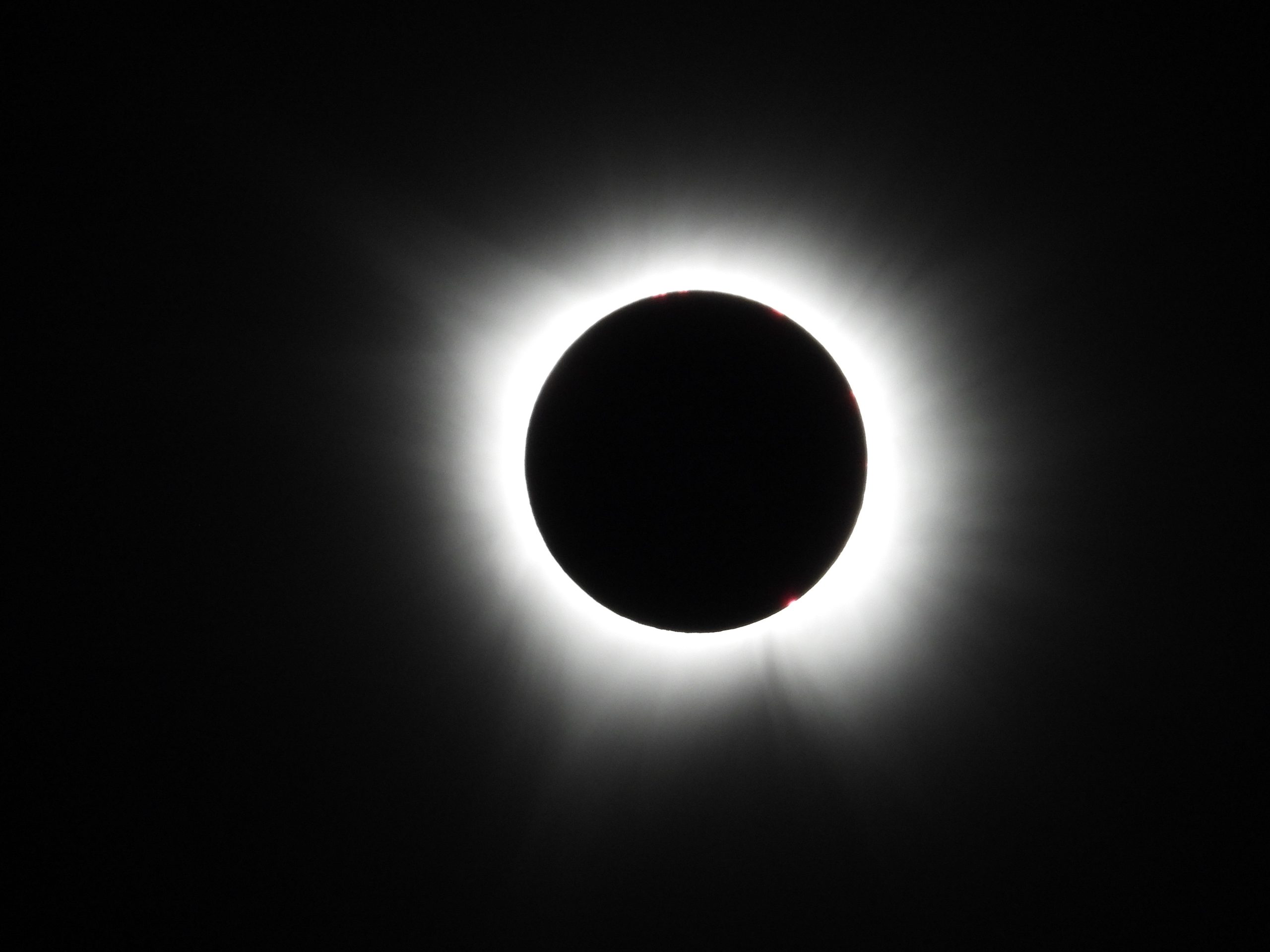
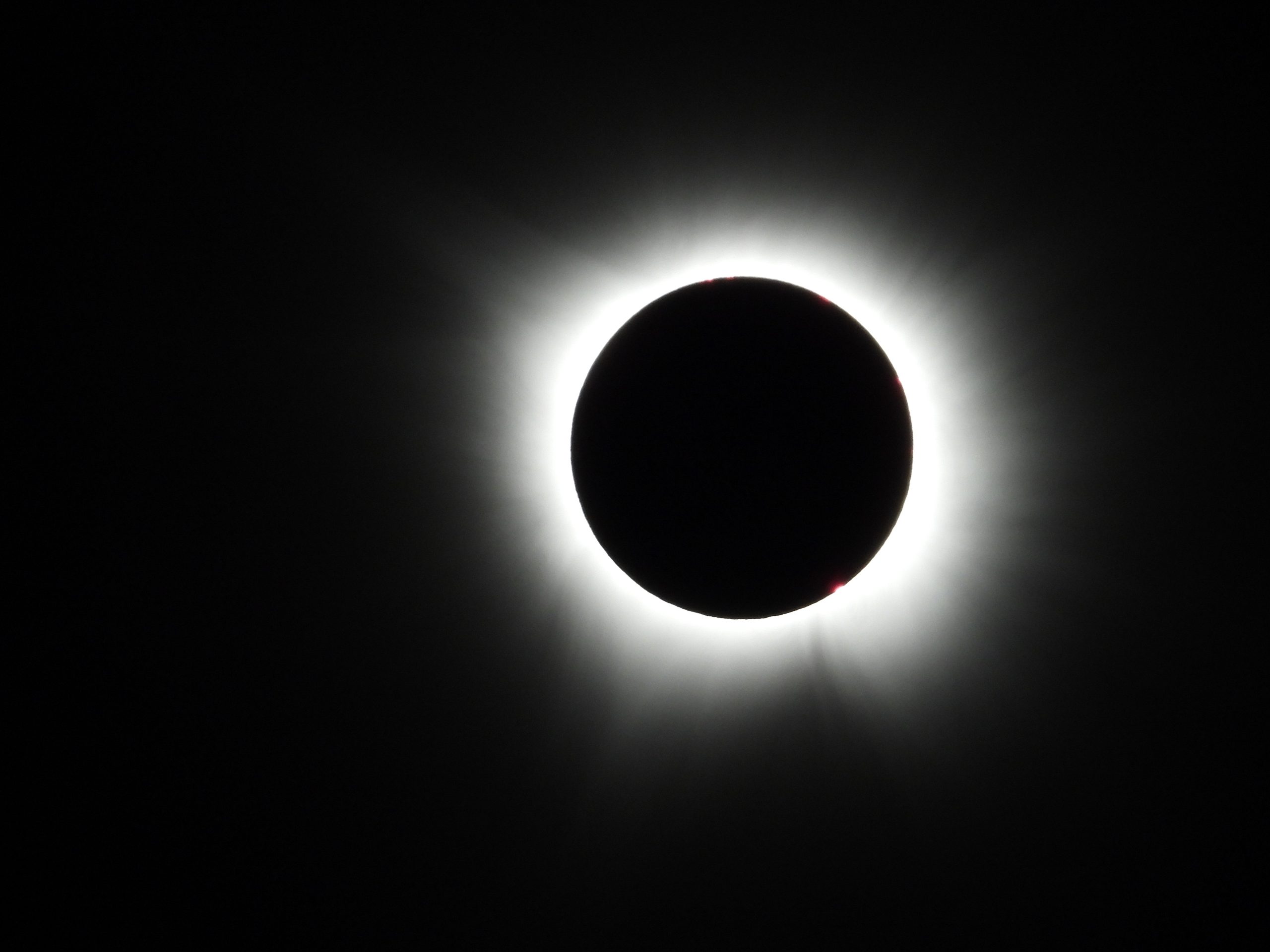
During those brief moments of totality, the sky darkens, bright stars and planets may become visible, and the Sun’s outer atmosphere, known as the corona, appears as a glowing halo around the Moon. It’s a view we normally can’t see because the Sun’s bright surface overwhelms the much fainter corona.
Outside the path of totality, observers experience a partial solar eclipse instead, even when most of the Sun is covered.
Viewing a Total Solar Eclipse Safely
Just like an annular eclipse, a total solar eclipse requires proper eye protection during the partial phases.
The only time it is safe to look directly at the Sun without solar viewing protection is during complete totality, when the Moon entirely covers the Sun’s bright surface. This applies only to observers within the path of totality.
Certified solar eclipse glasses meeting the ISO 12312-2 standard are required for direct viewing before and after totality. Telescopes, binoculars, and cameras require properly designed solar filters securely mounted over the front of their optics during the partial phases. Eclipse glasses alone are not sufficient protection when looking through these devices.
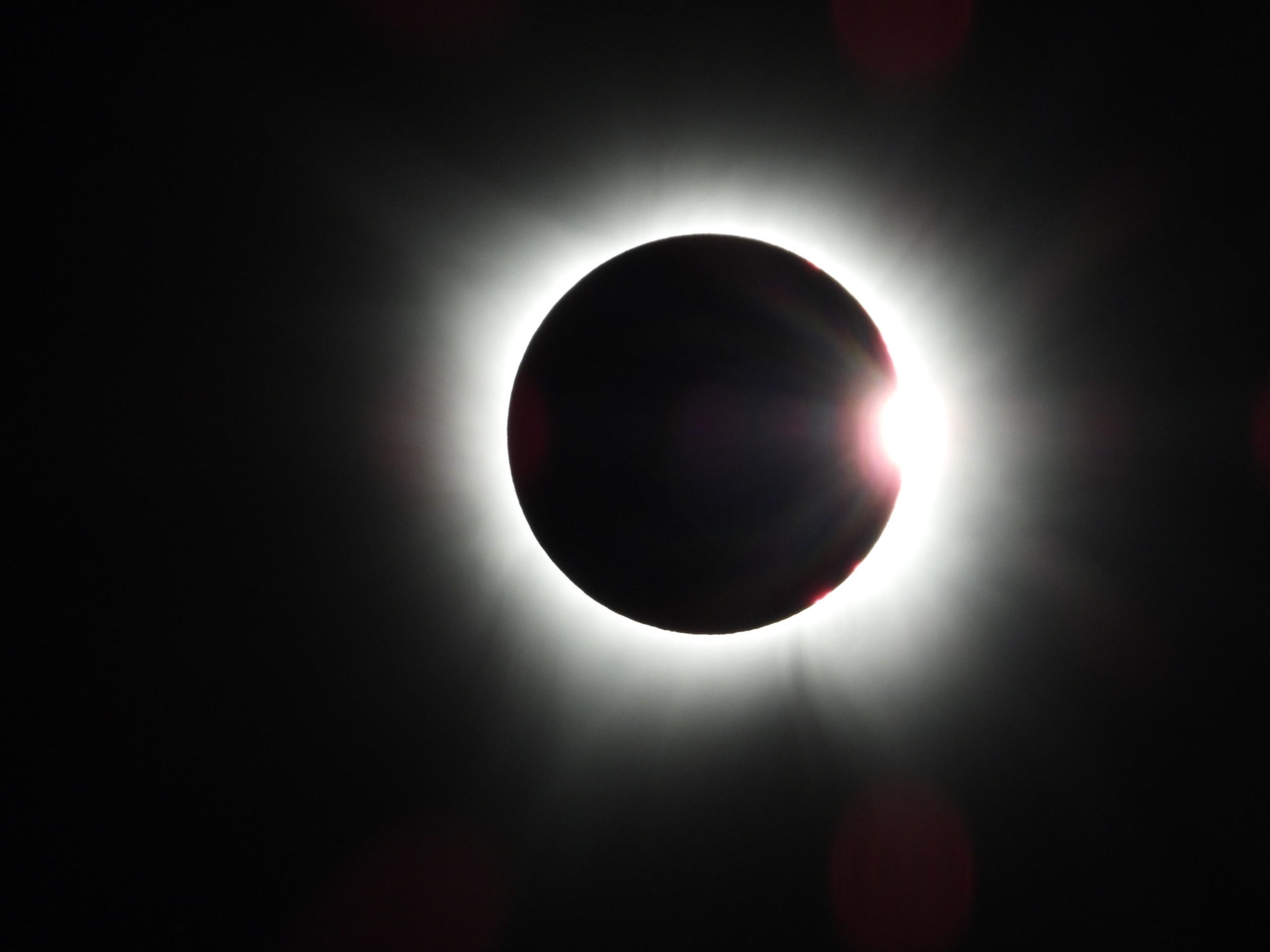
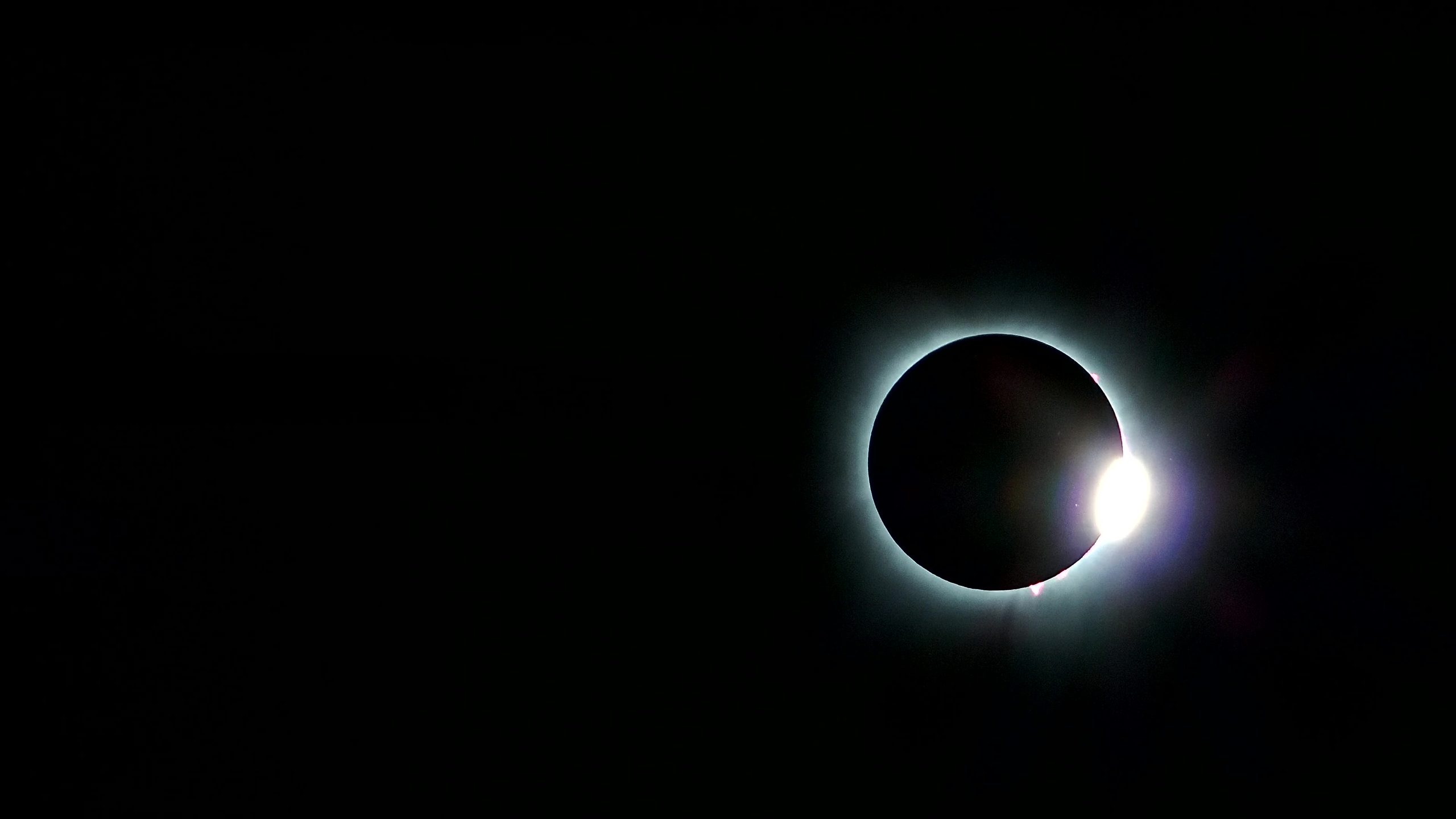
As soon as the first bright sunlight reappears at the end of totality, eye protection must be back in place.
If you’re outside the path of totality, there is no safe period for viewing the eclipse without proper solar protection.
Experiencing Totality
One of the most memorable parts of a total solar eclipse is that the experience goes beyond what you see through a telescope or camera.
The changing light, the temperature, the surrounding landscape, and even the reactions of people watching can become part of the experience. And then, for a few brief moments, the Sun’s corona becomes visible before daylight begins to return.
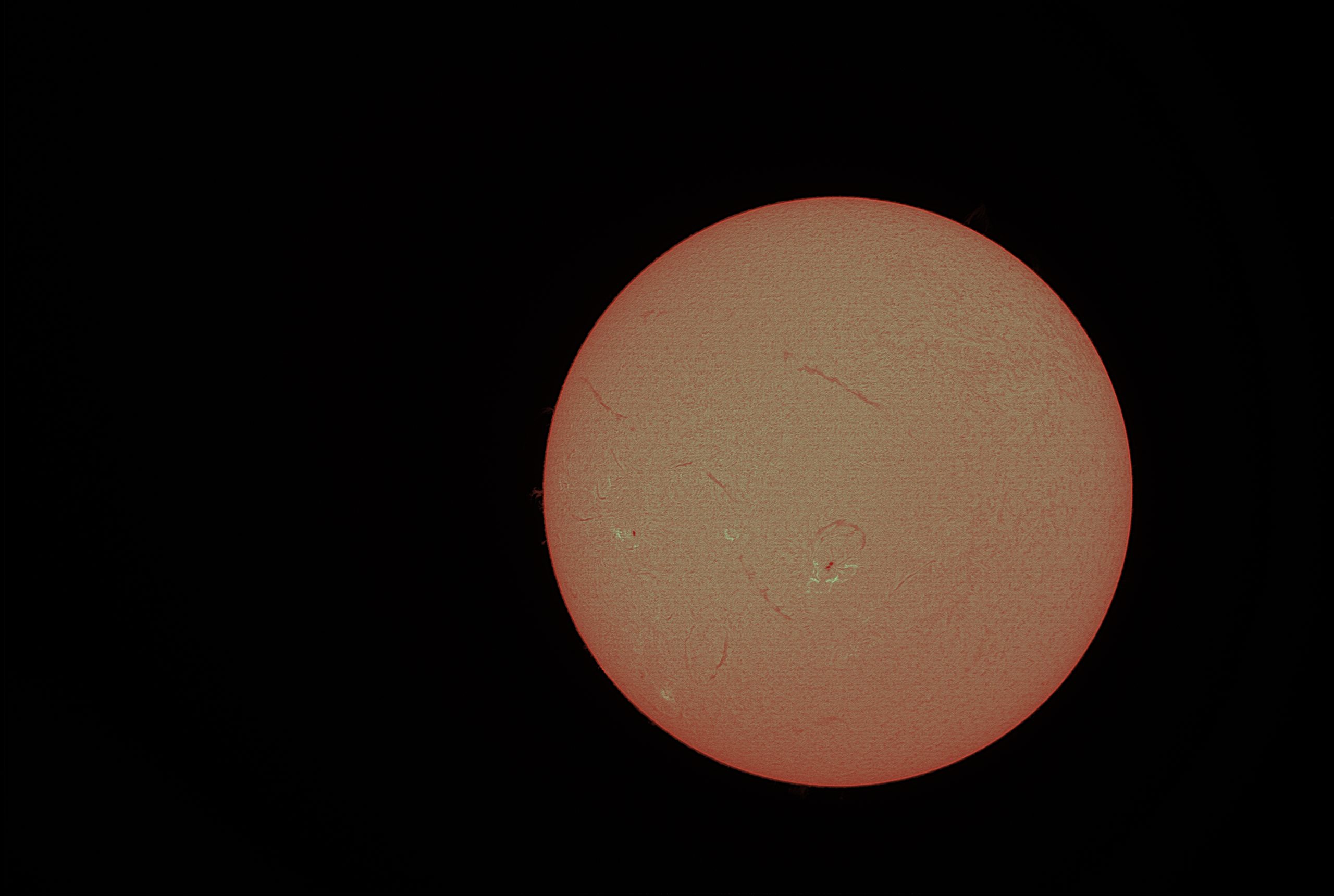
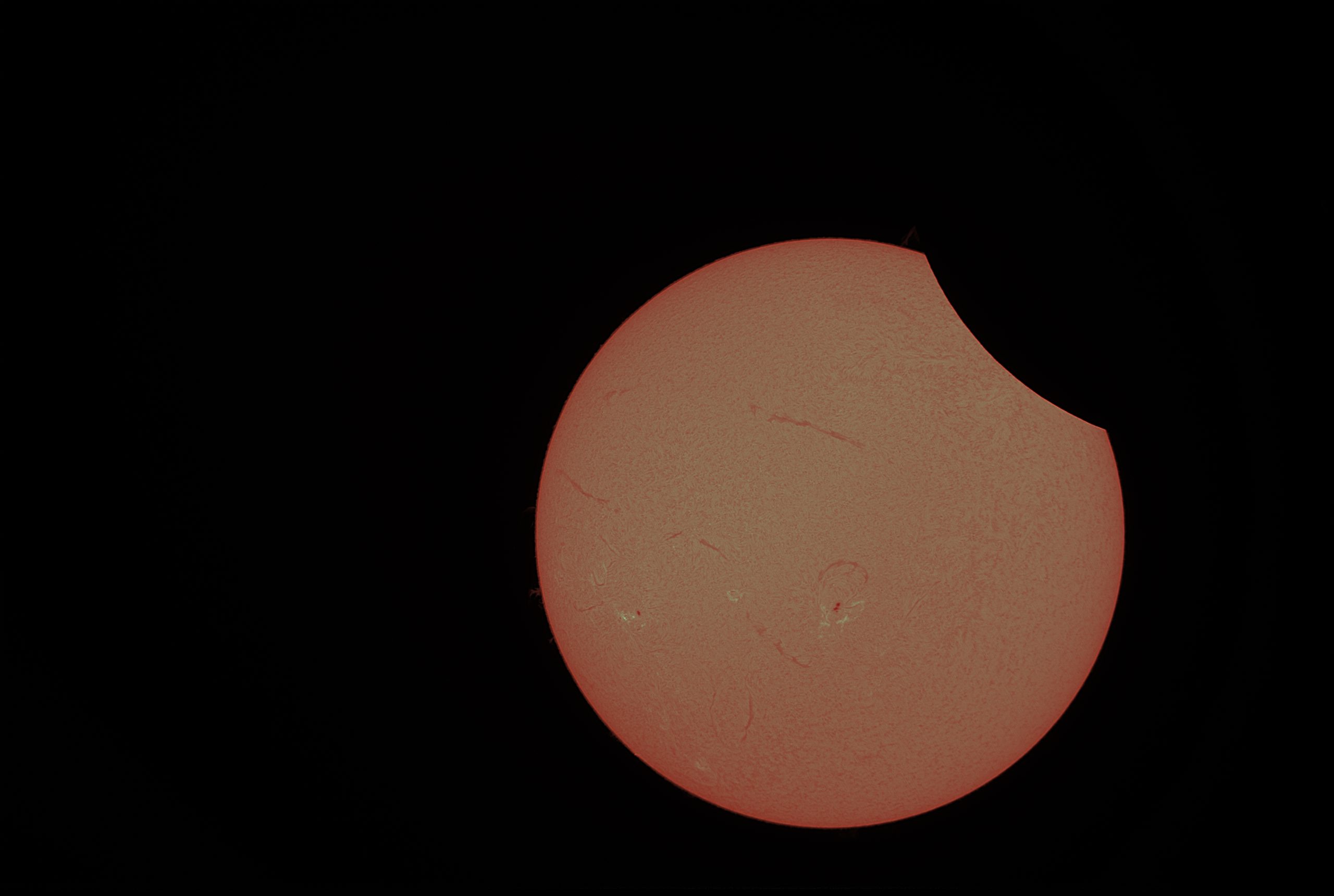
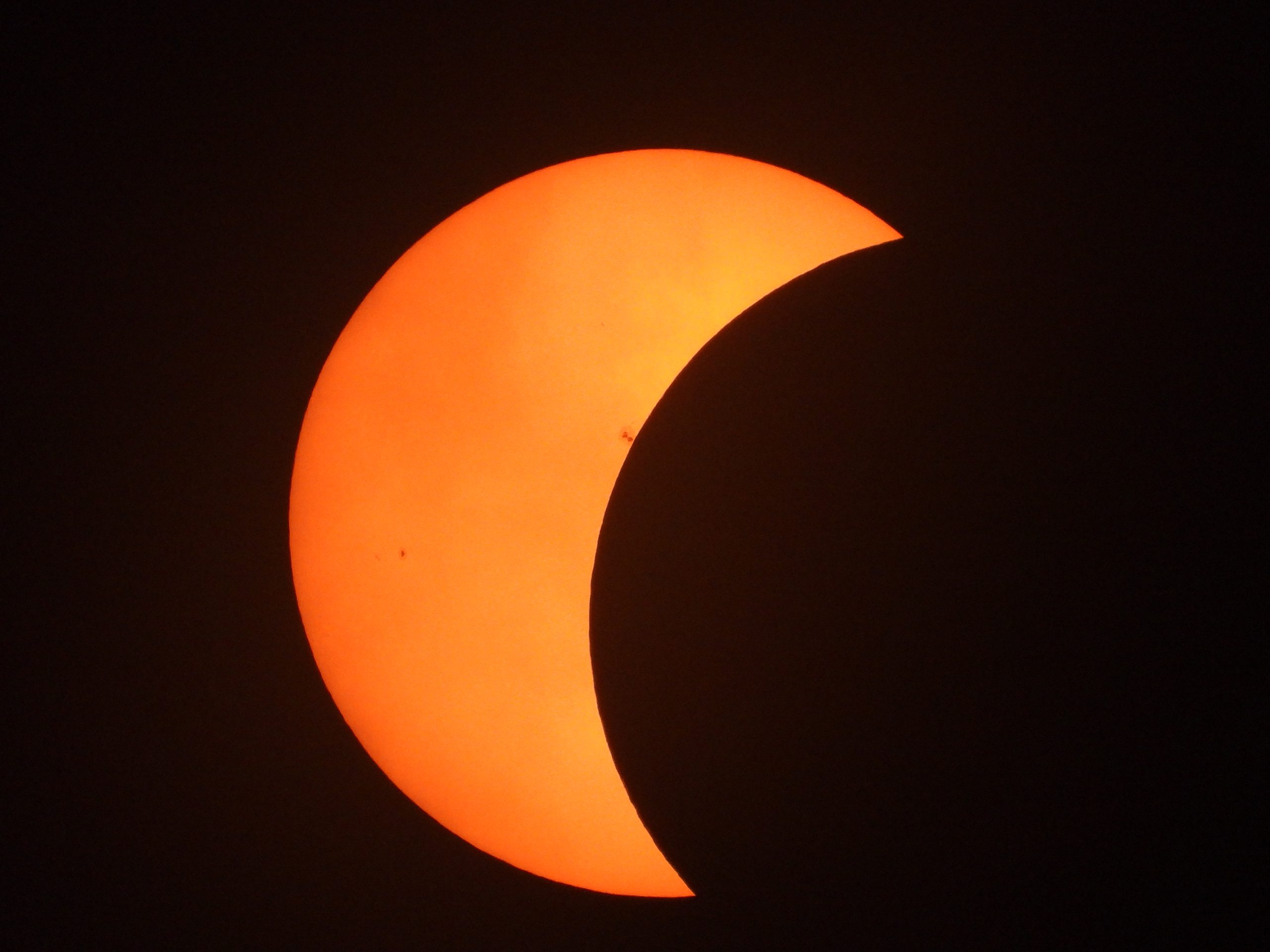
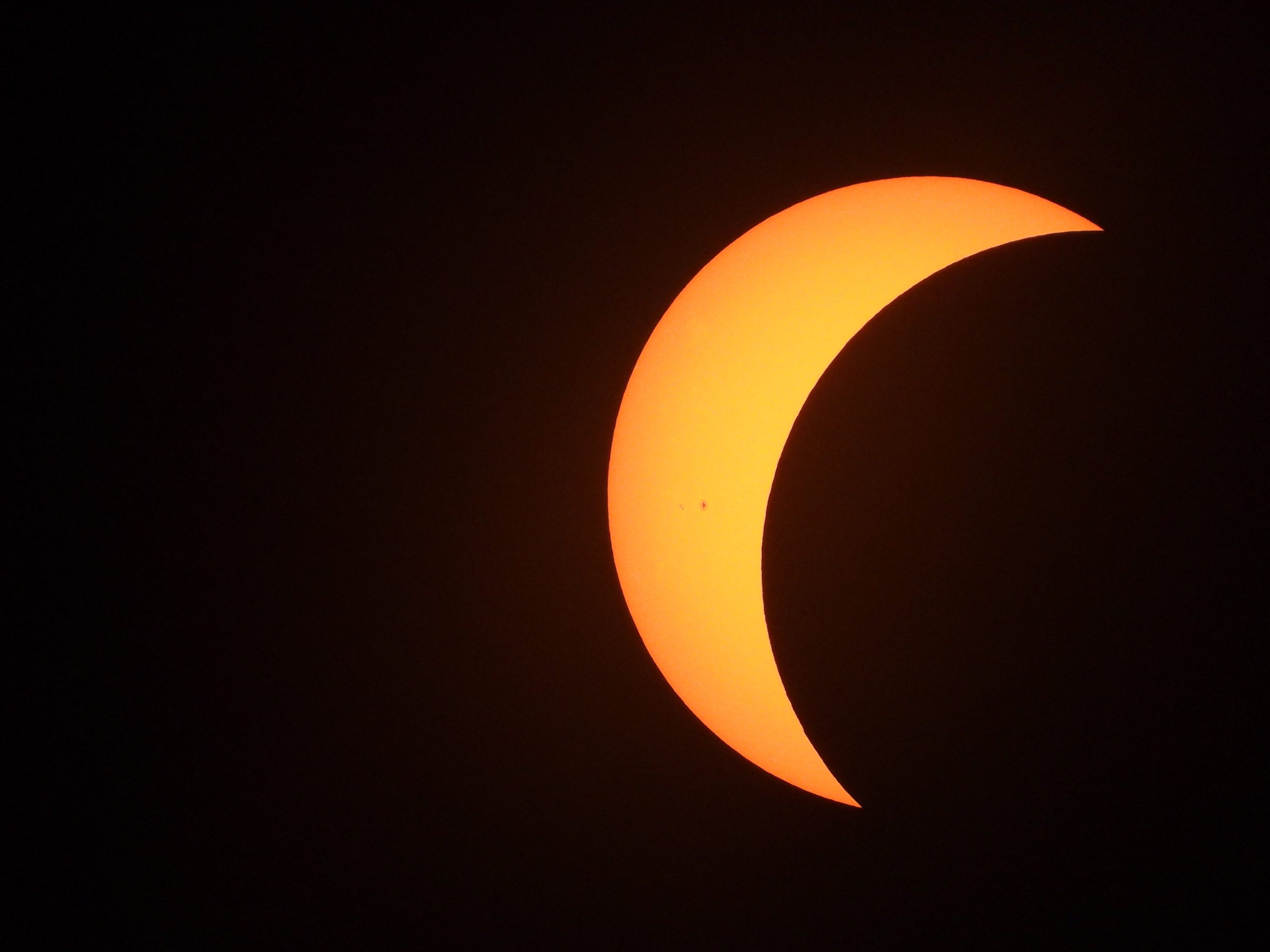
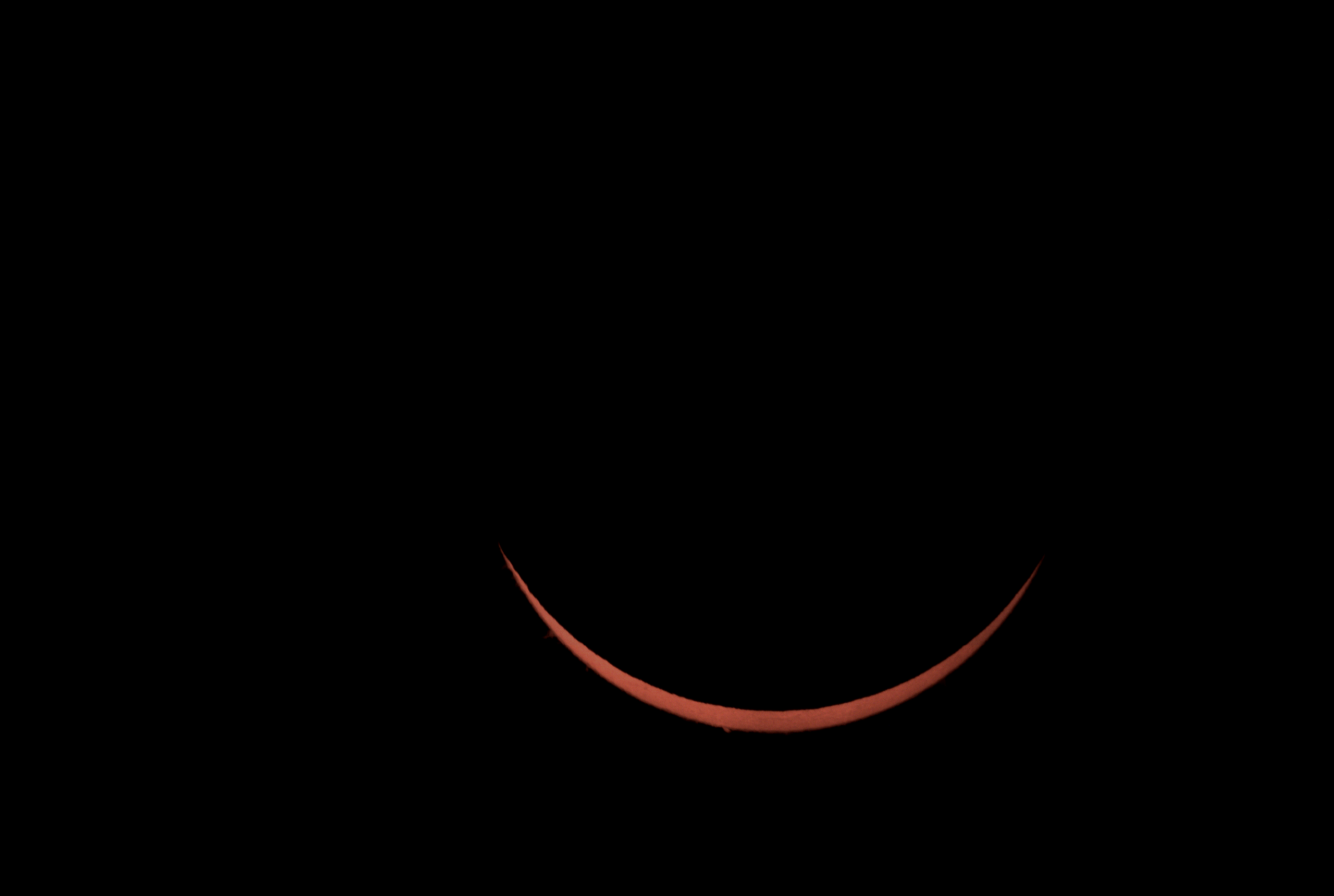
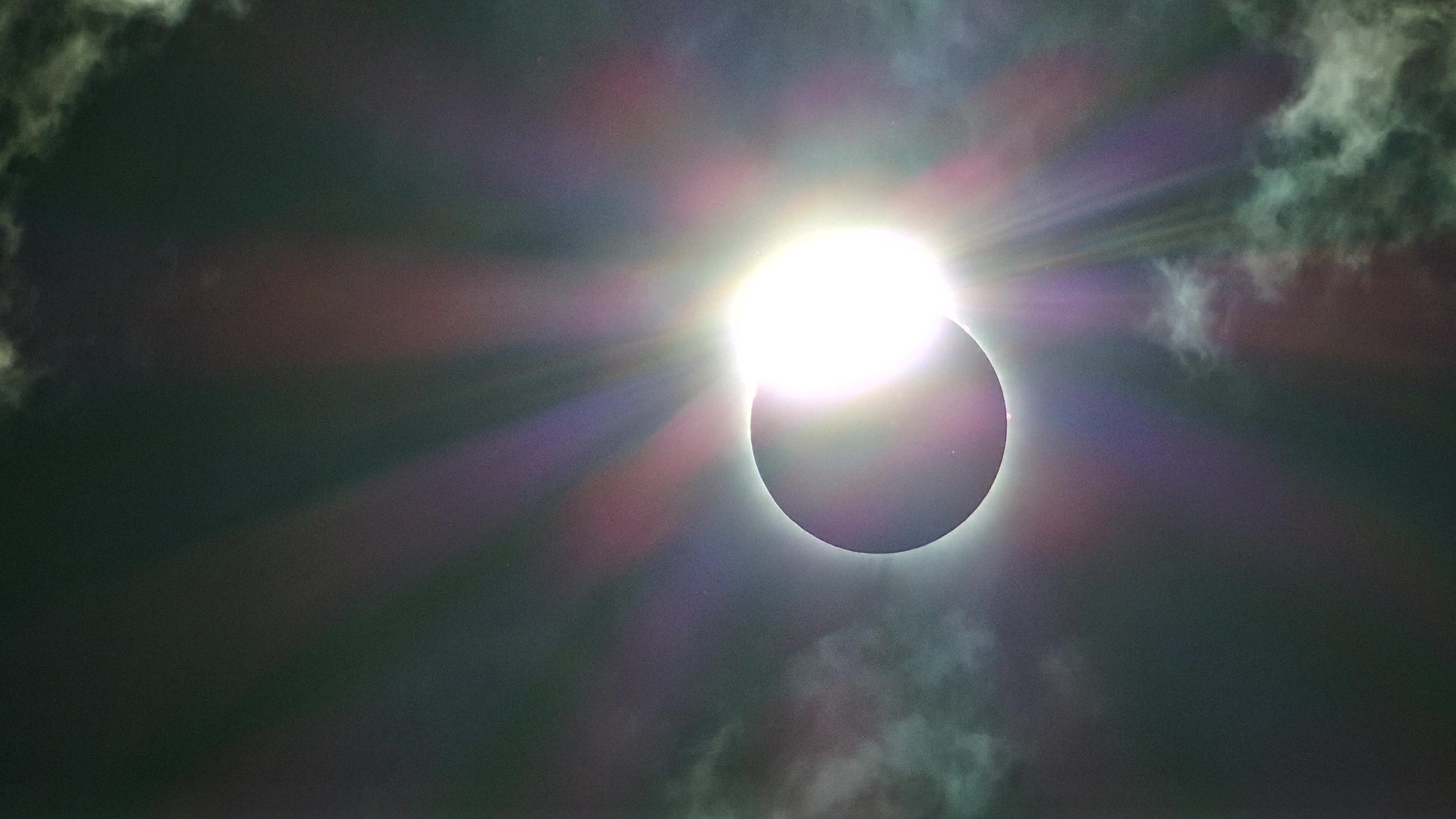
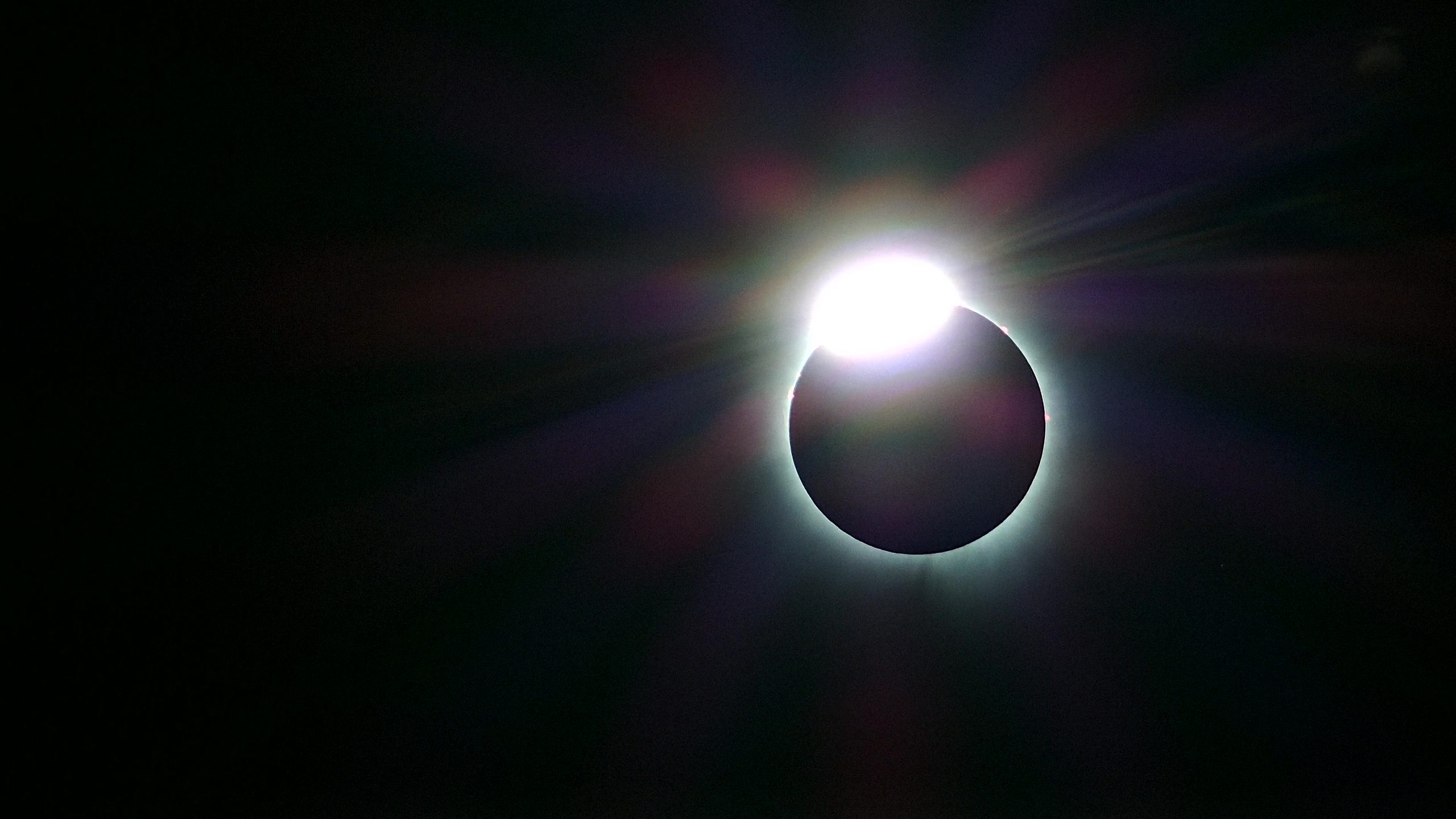
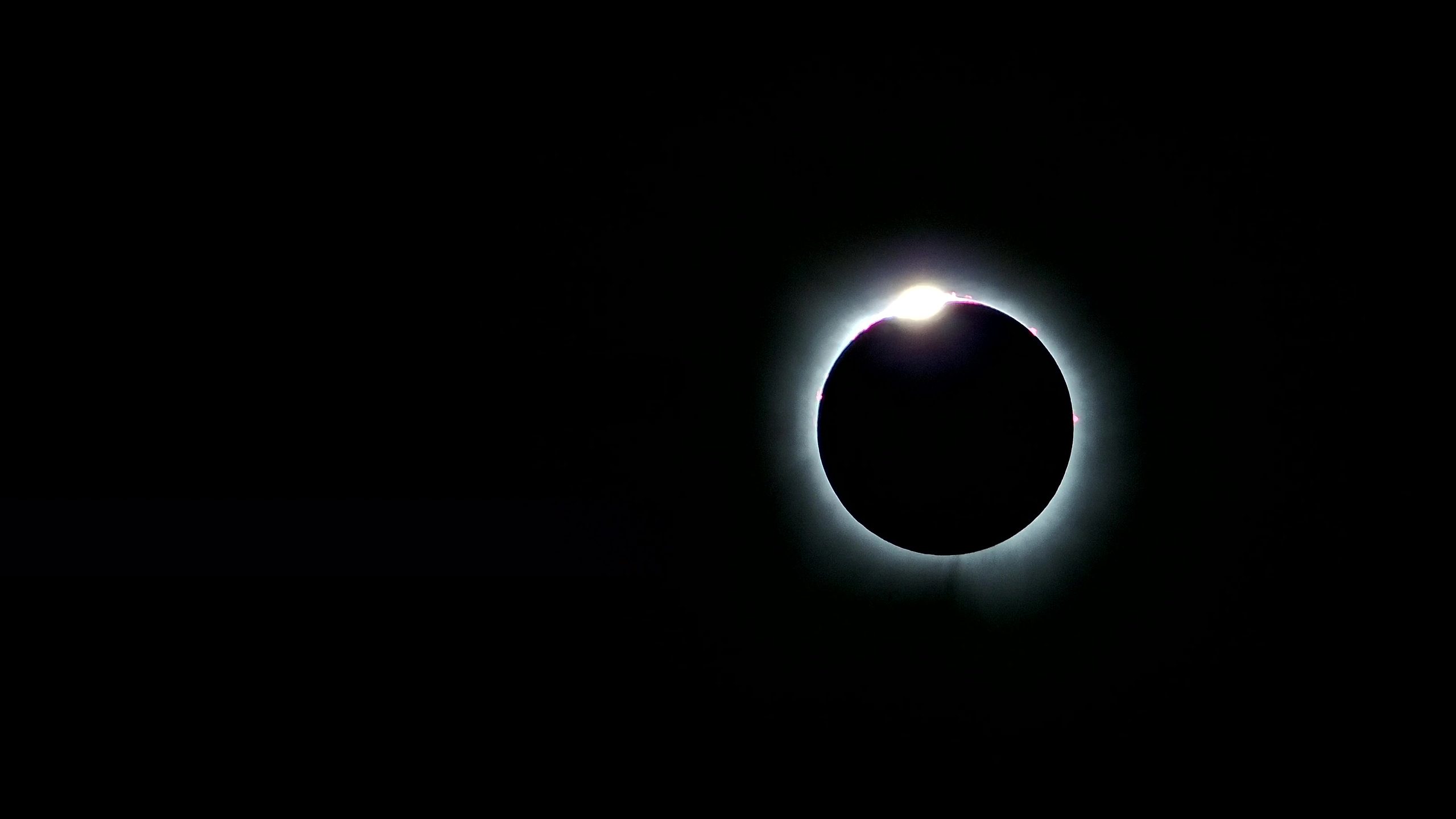
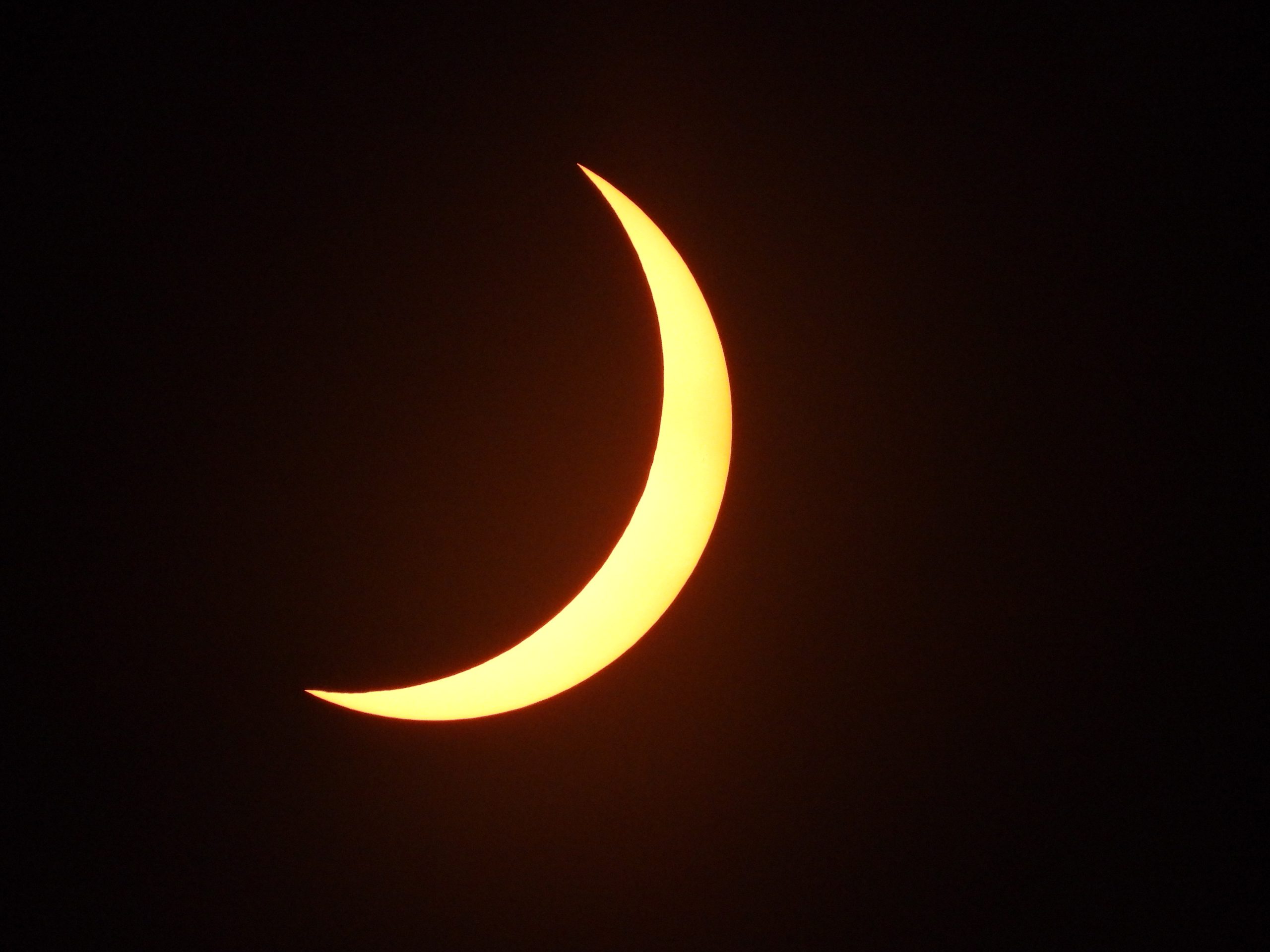
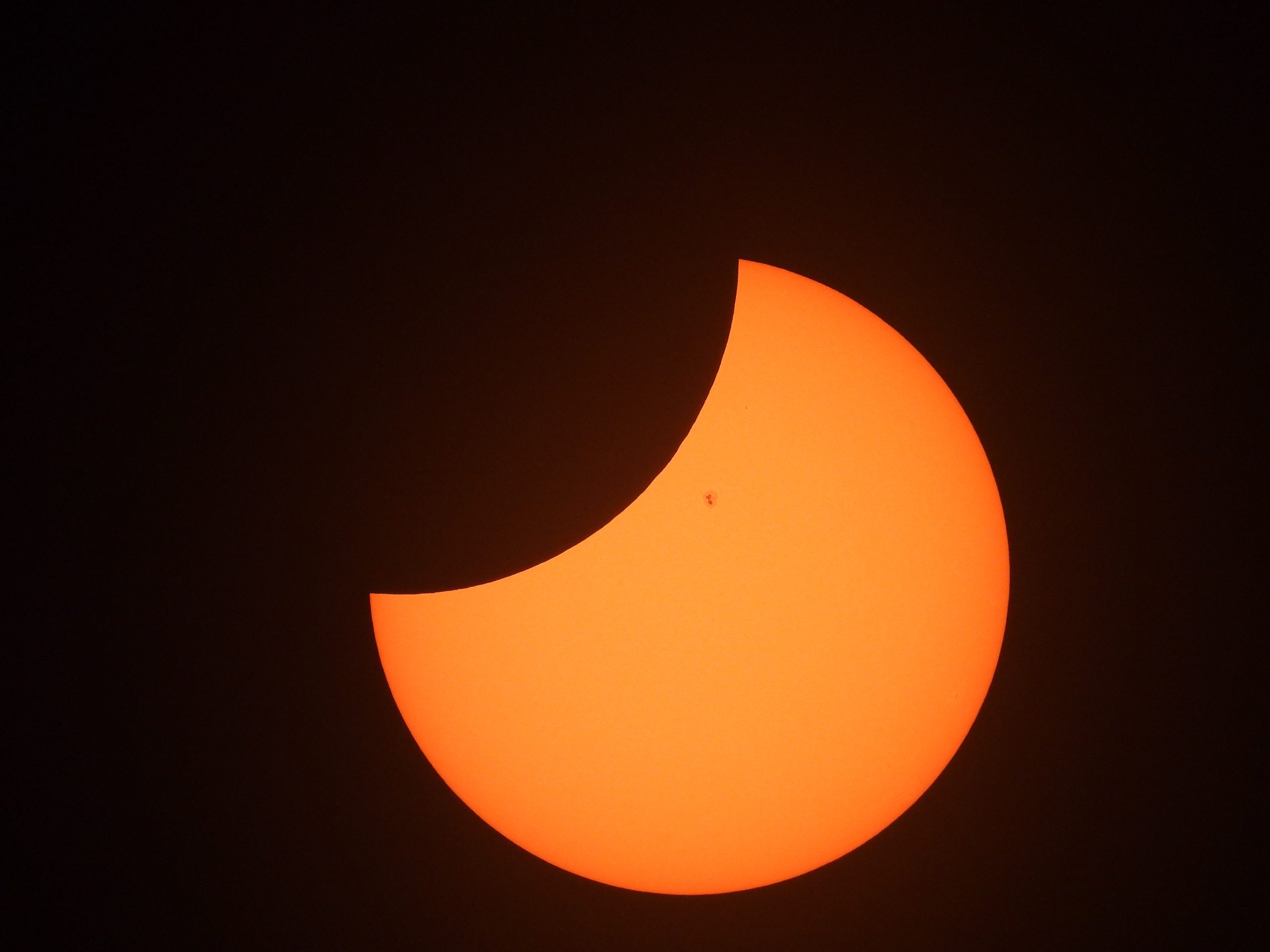
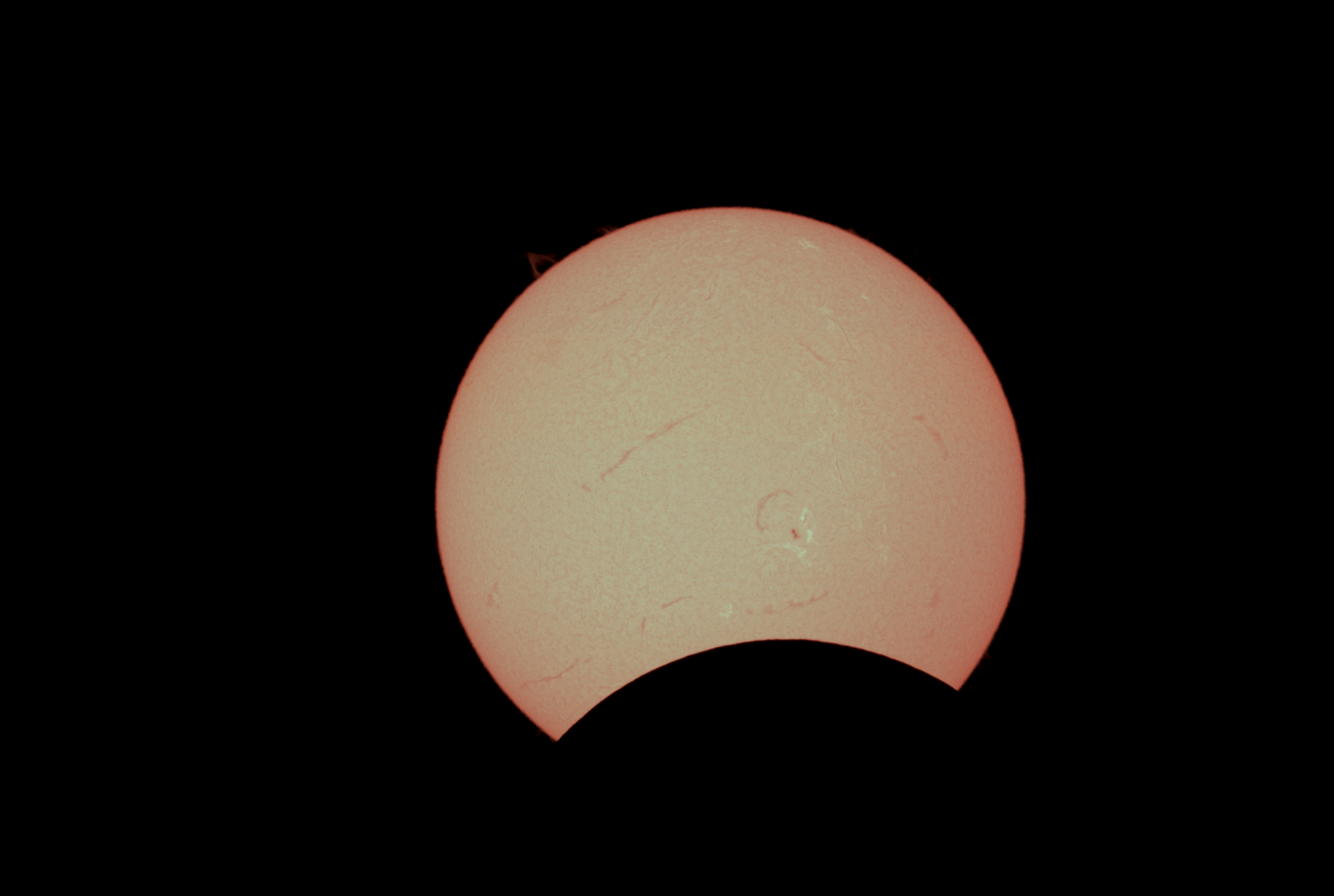
The photographs below capture different stages of a total solar eclipse, from the partial phases to totality and the return of sunlight.
Each image offers a different perspective on what happens when the Sun, Moon, and Earth align, and why experiencing totality is something many people travel great distances to see.
Watching Totality Unfold
This video captures the final moments leading up to totality and the eclipse itself, with clouds occasionally passing in front of the Sun.
Even with the clouds, you can watch the Moon complete its journey across the Sun and see the corona emerge as totality begins.