Annular Solar Eclipse
The Ring of Fire
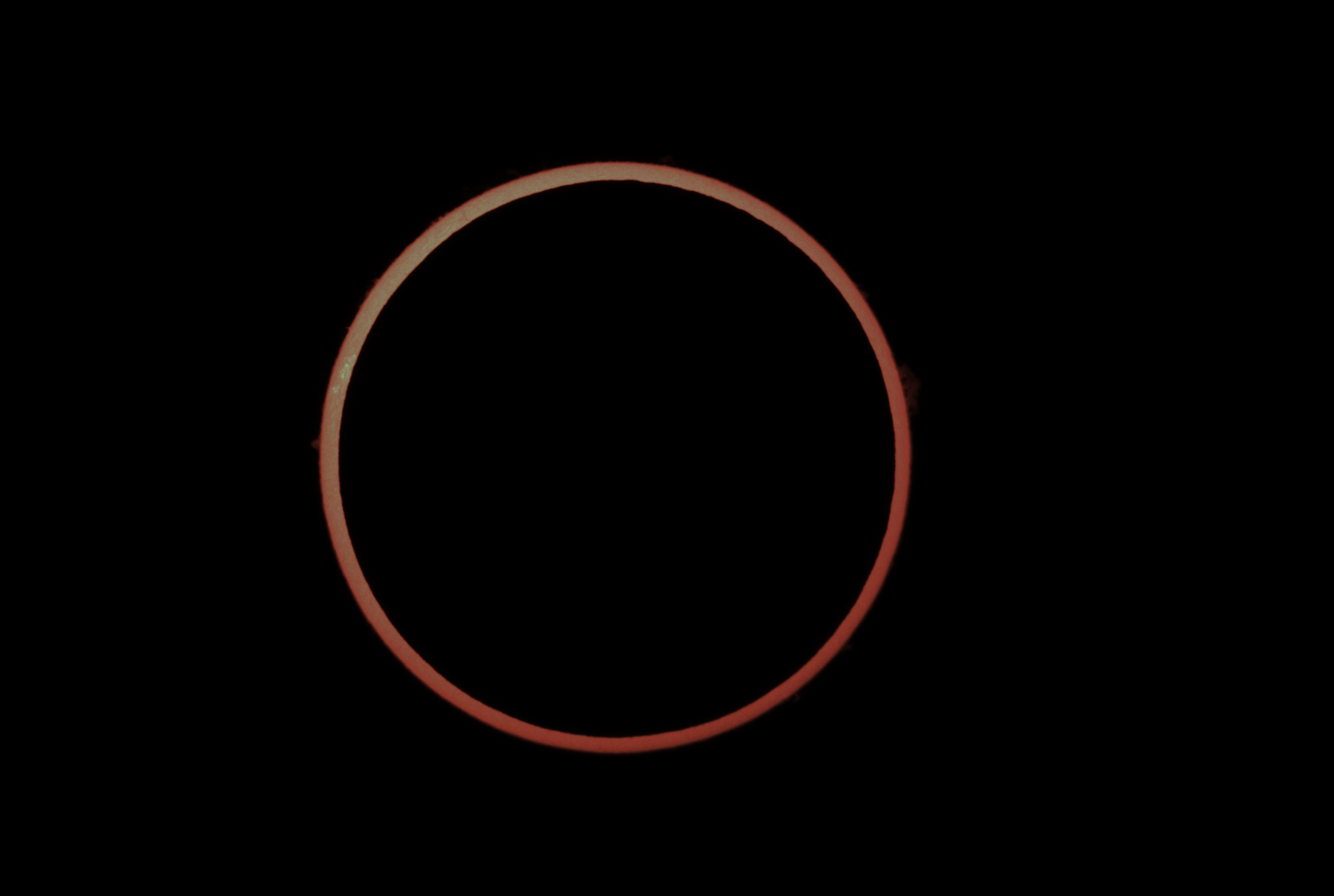
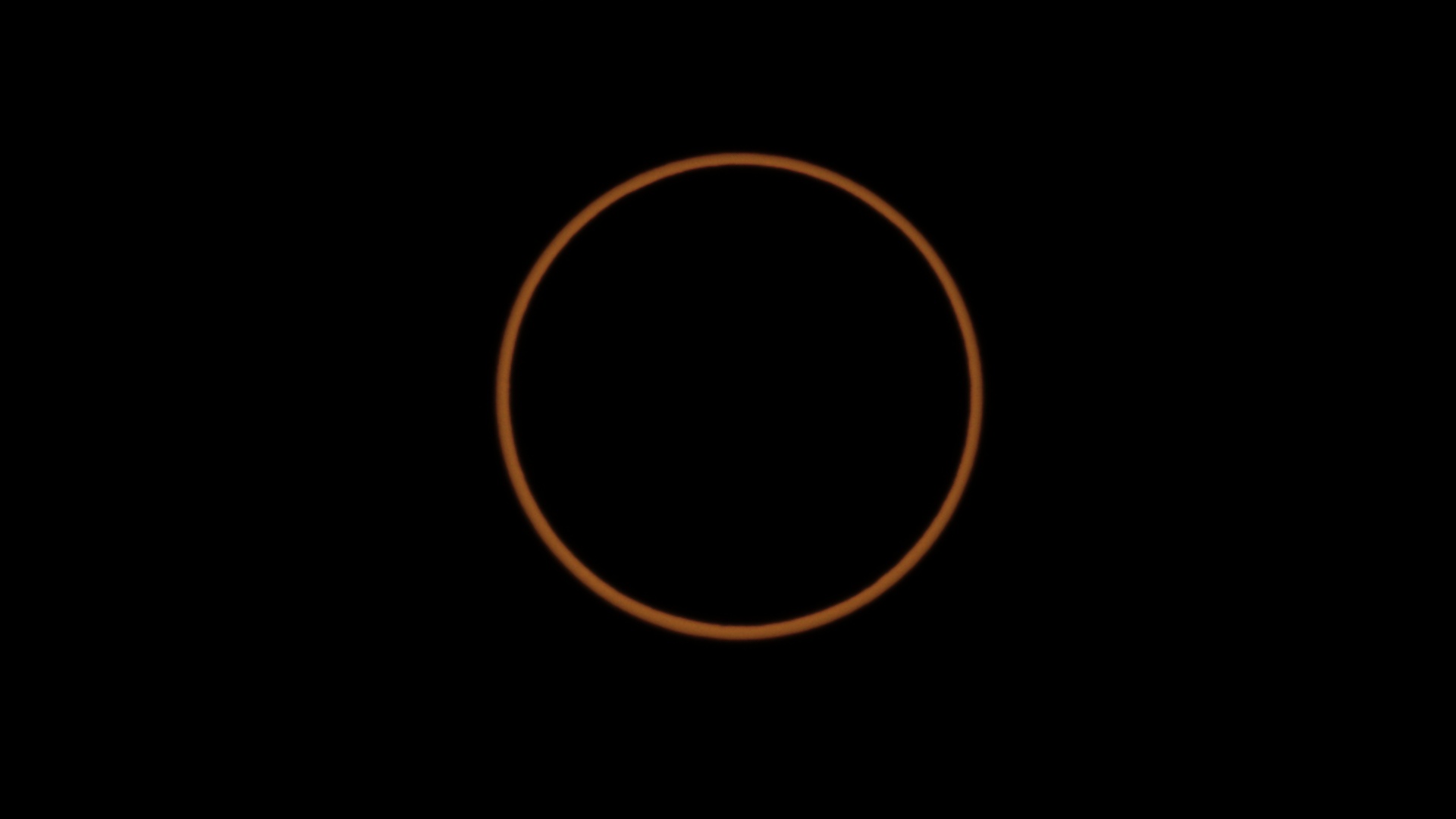
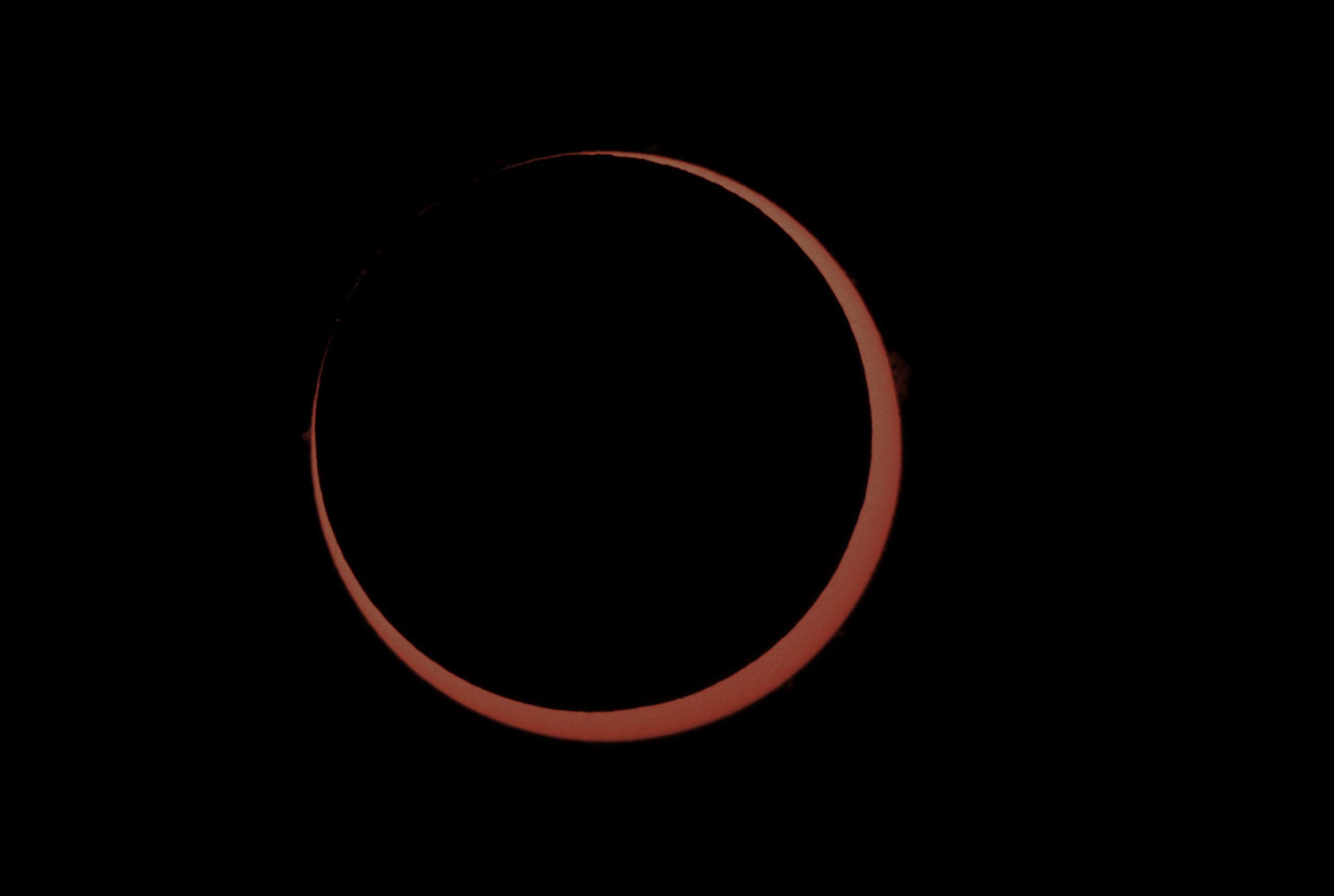
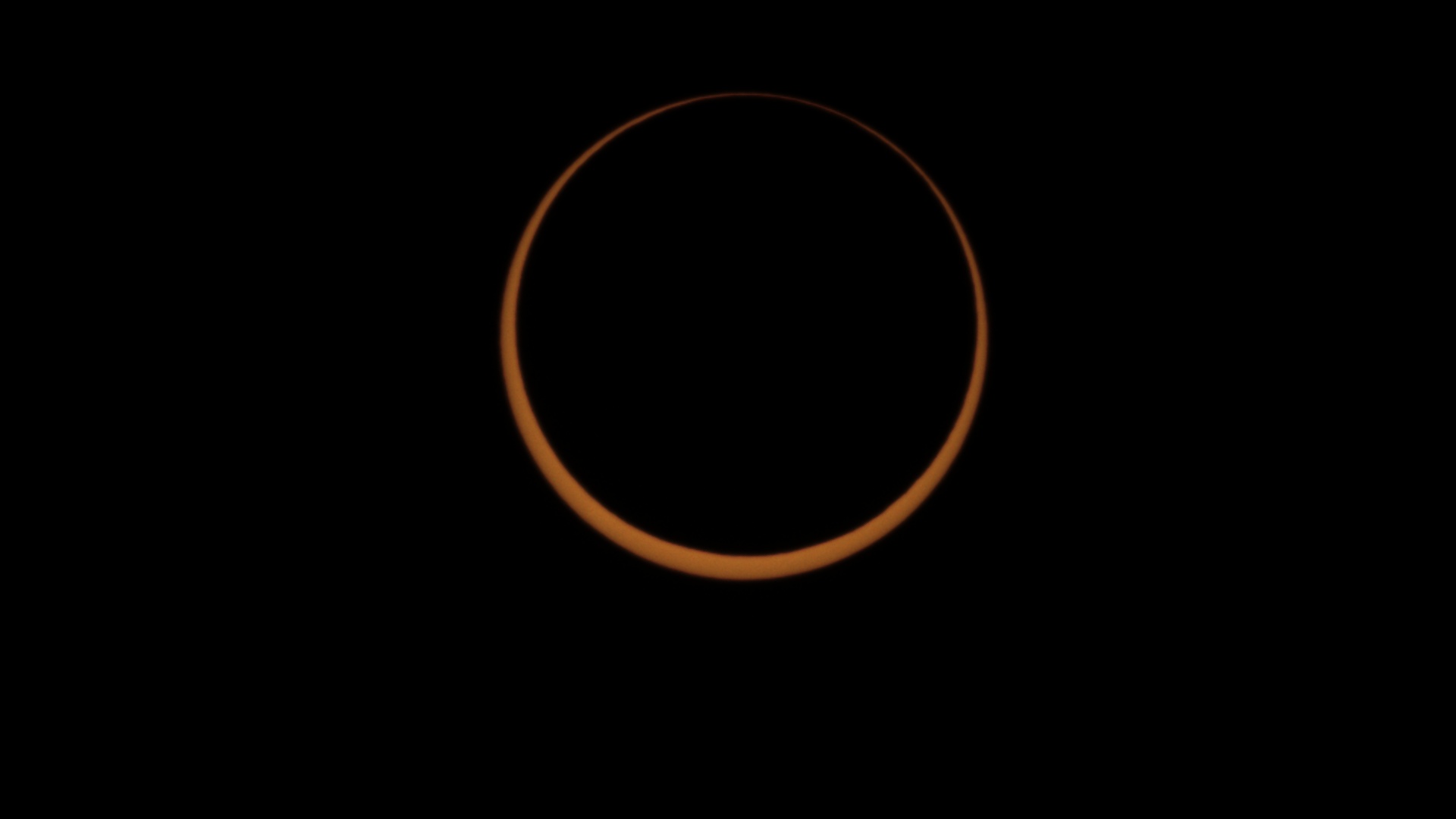
On October 14, 2023, an annular solar eclipse crossed parts of North, Central, and South America, giving observers along its path the opportunity to witness what is often called the “ring of fire.”
An annular solar eclipse happens when the Moon passes directly between Earth and the Sun, but is too far from Earth to completely cover the Sun. Because the Moon appears slightly smaller than the Sun, a bright ring of sunlight remains visible around its edges.
Unlike a total solar eclipse, the Sun is never completely covered during an annular eclipse. The sky may dim, and the sunlight may take on an unusual appearance, but the Sun’s outer atmosphere, or corona, isn’t revealed the way it is during totality.
Viewing an Annular Eclipse Safely
One important thing to remember is that an annular solar eclipse is never safe to view without proper solar protection, even during the ring-of-fire phase.
Because part of the Sun remains visible throughout the eclipse, its light can still cause permanent eye damage. Certified solar eclipse glasses meeting the ISO 12312-2 standard are required for direct viewing. Telescopes, binoculars, and cameras must have properly designed solar filters securely mounted over the front of their optics. Eclipse glasses alone do not make it safe to look through these devices.
There is no point during an annular eclipse when it is safe to remove your solar viewing protection while looking directly at the Sun.
Exploring the Ring of Fire
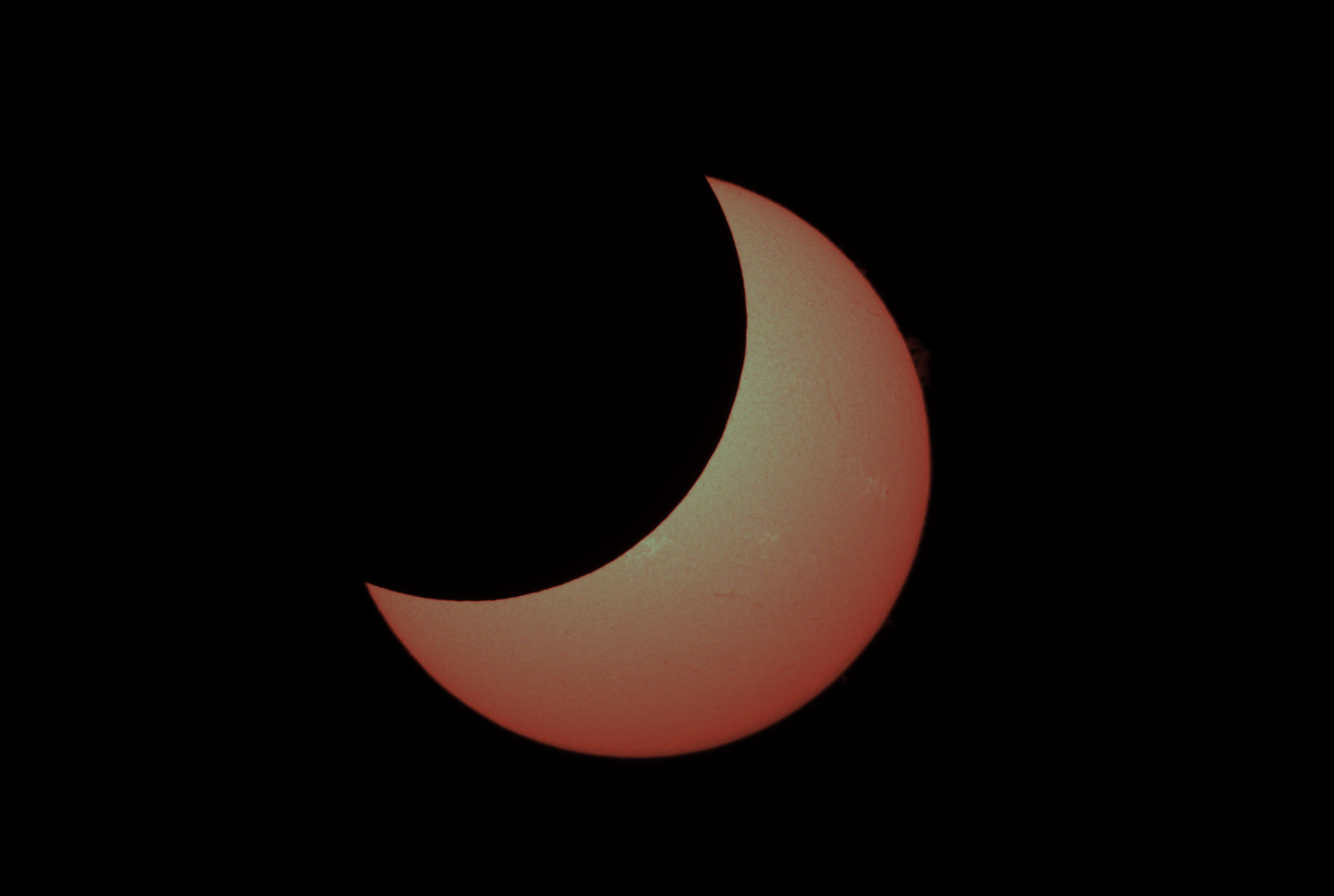
One of the things I enjoy about observing astronomical events is watching how they unfold. An eclipse isn’t just a single moment. It’s a progression, as the Moon slowly moves across the Sun, changing what we see along the way.
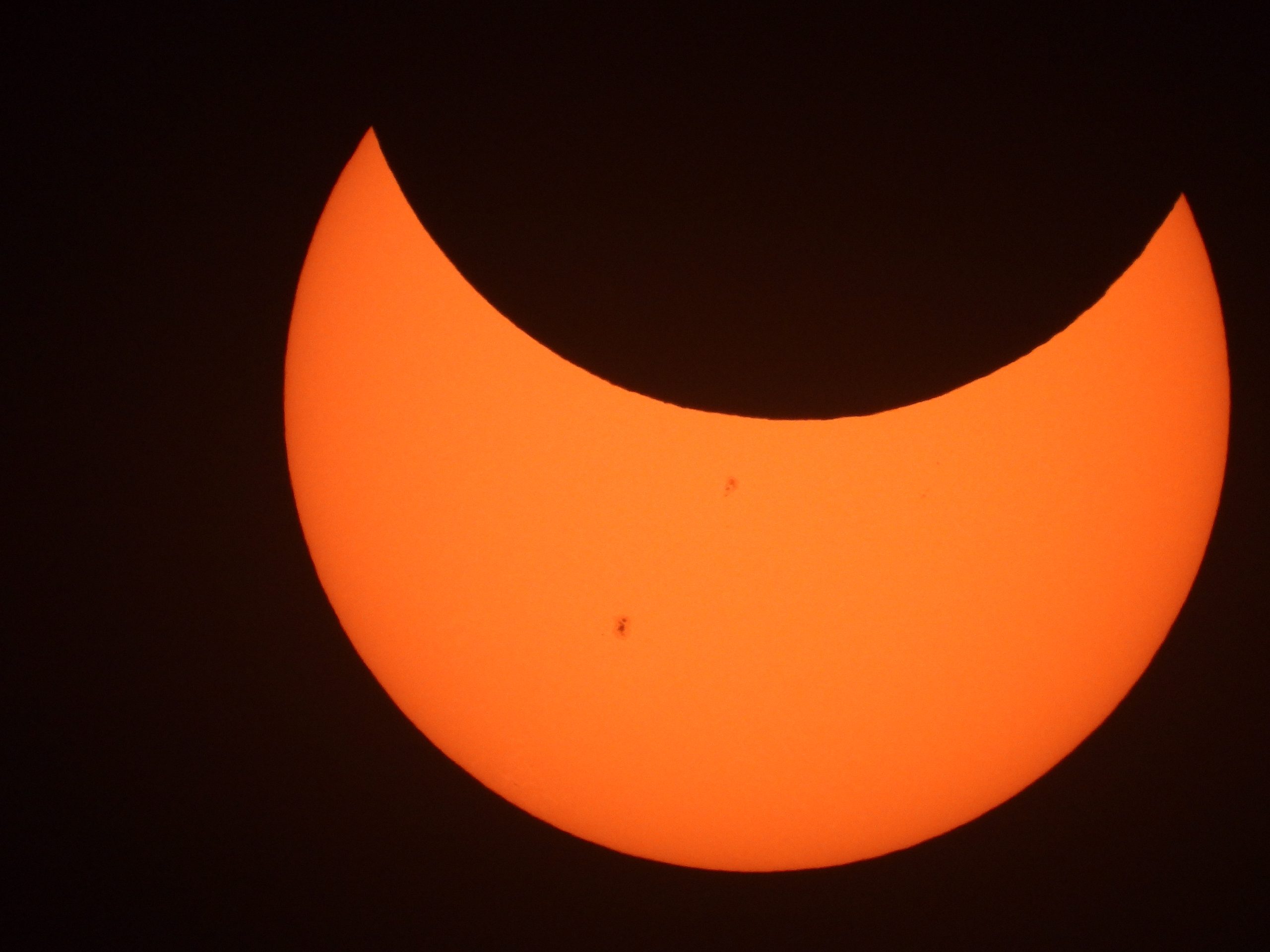
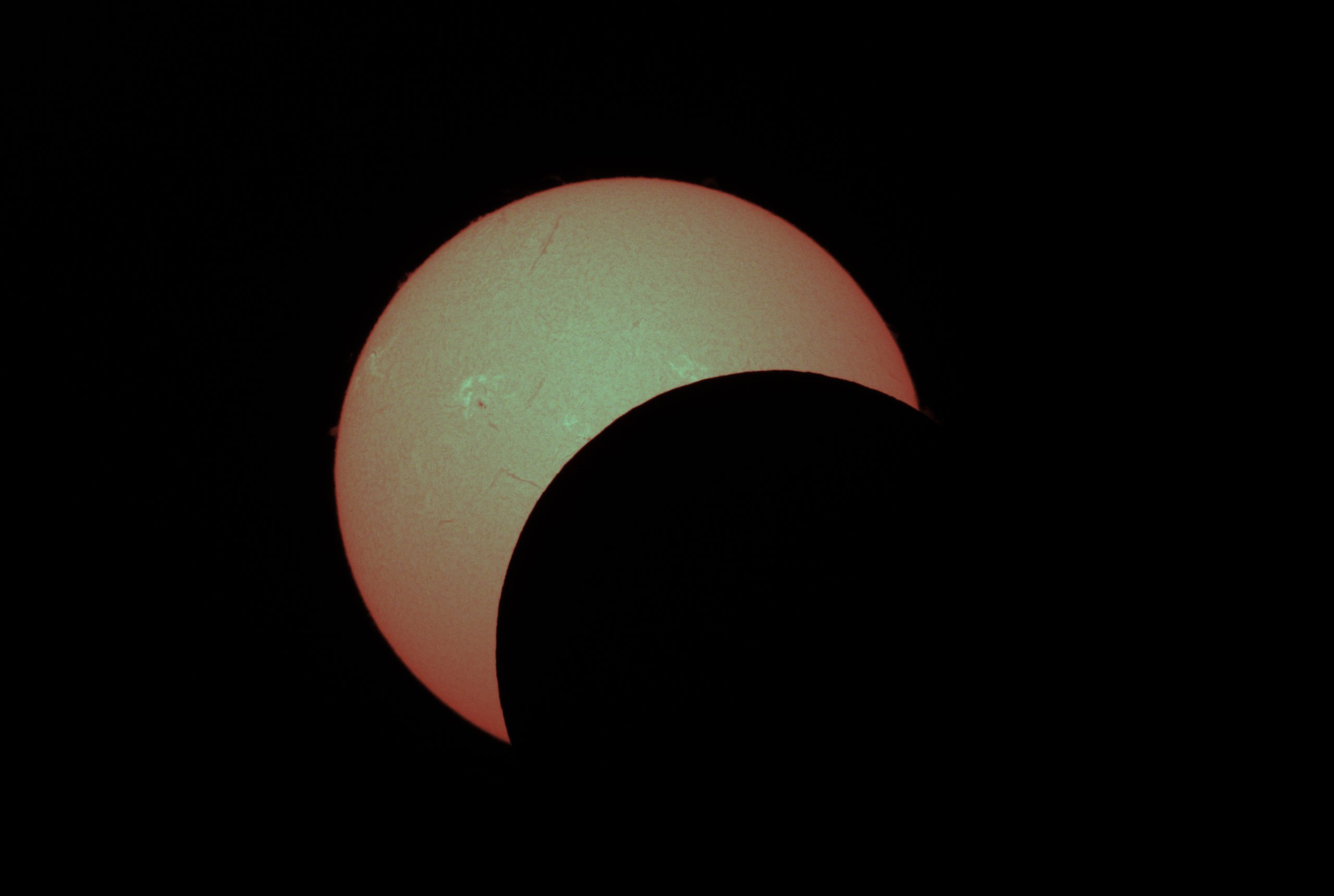
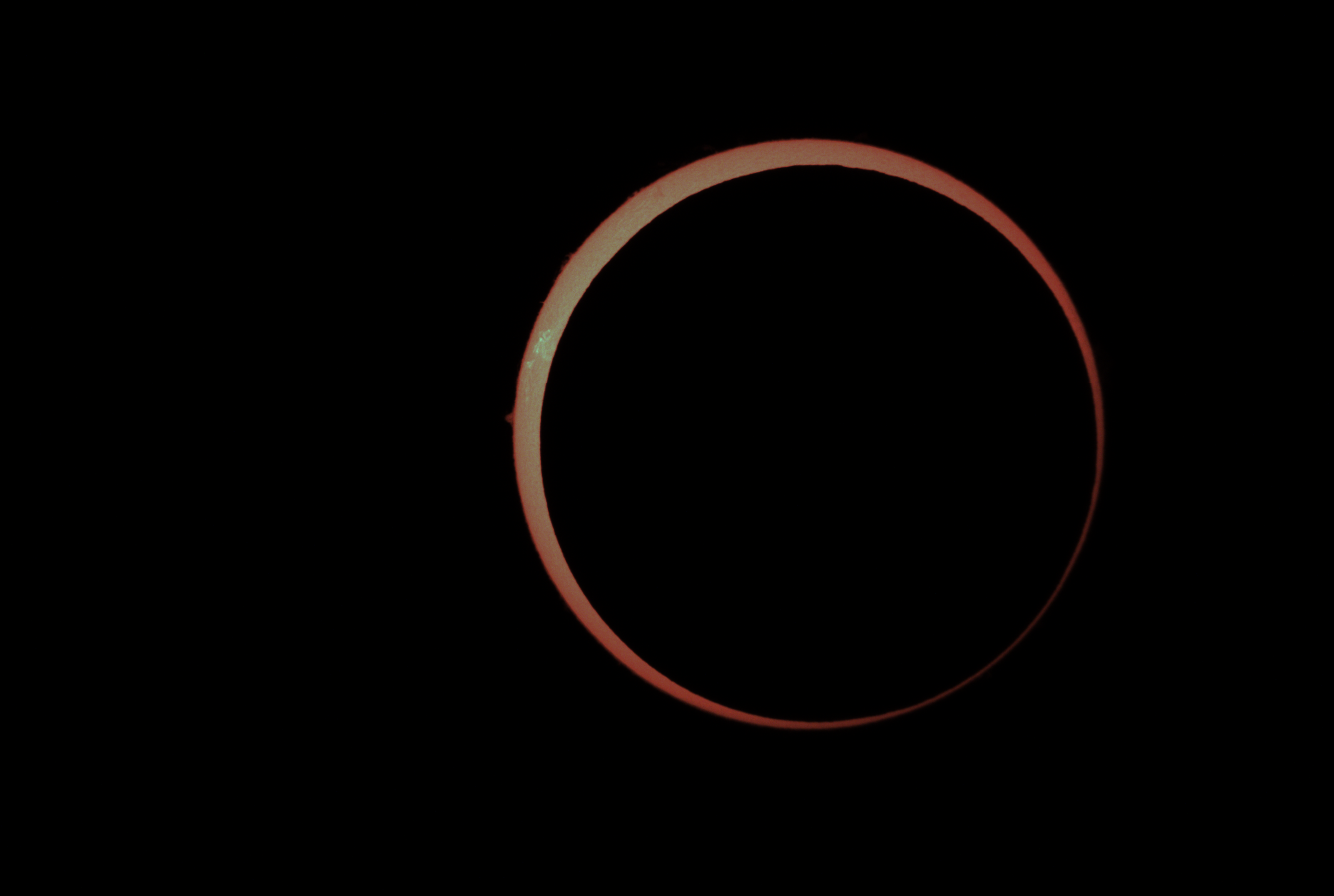
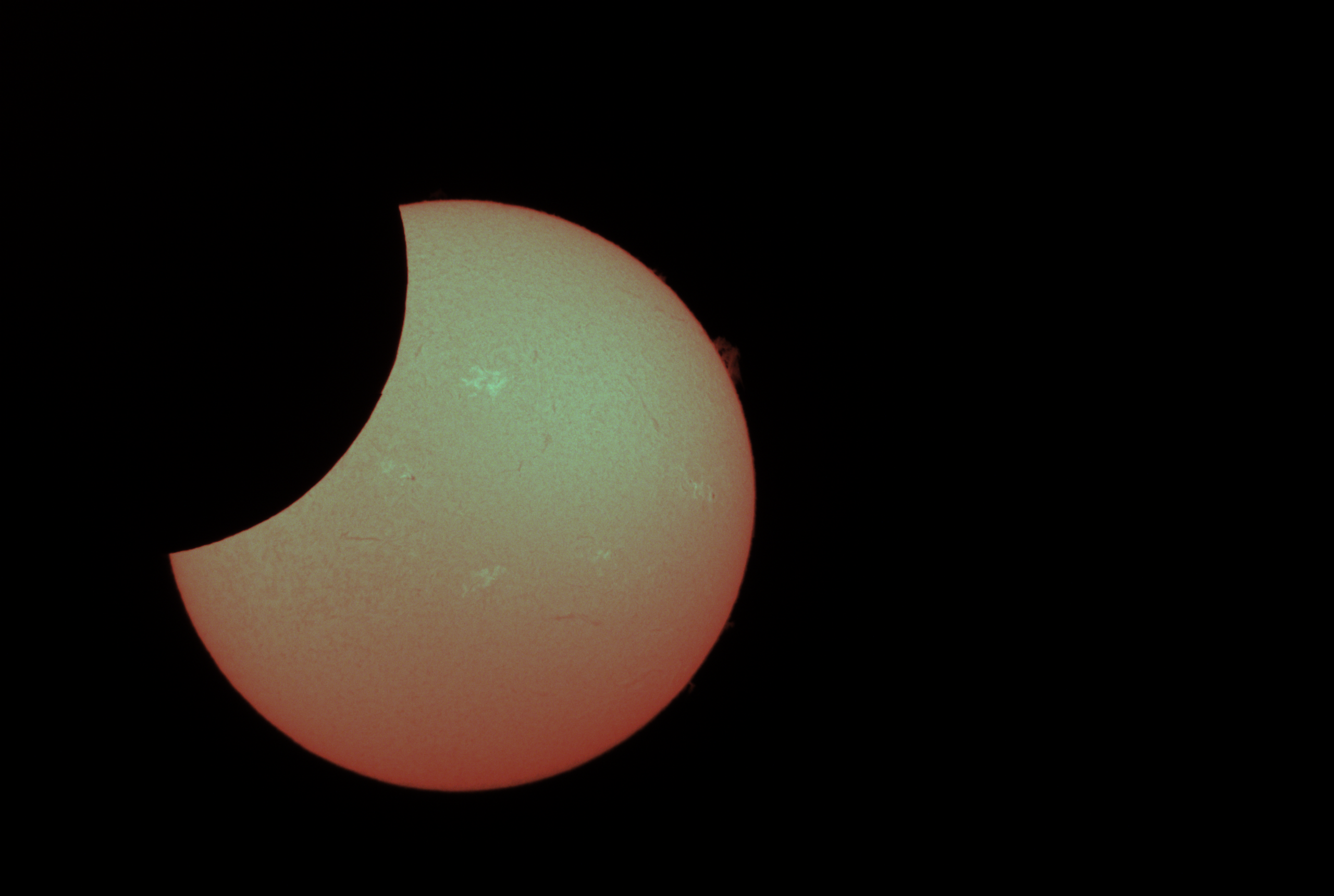
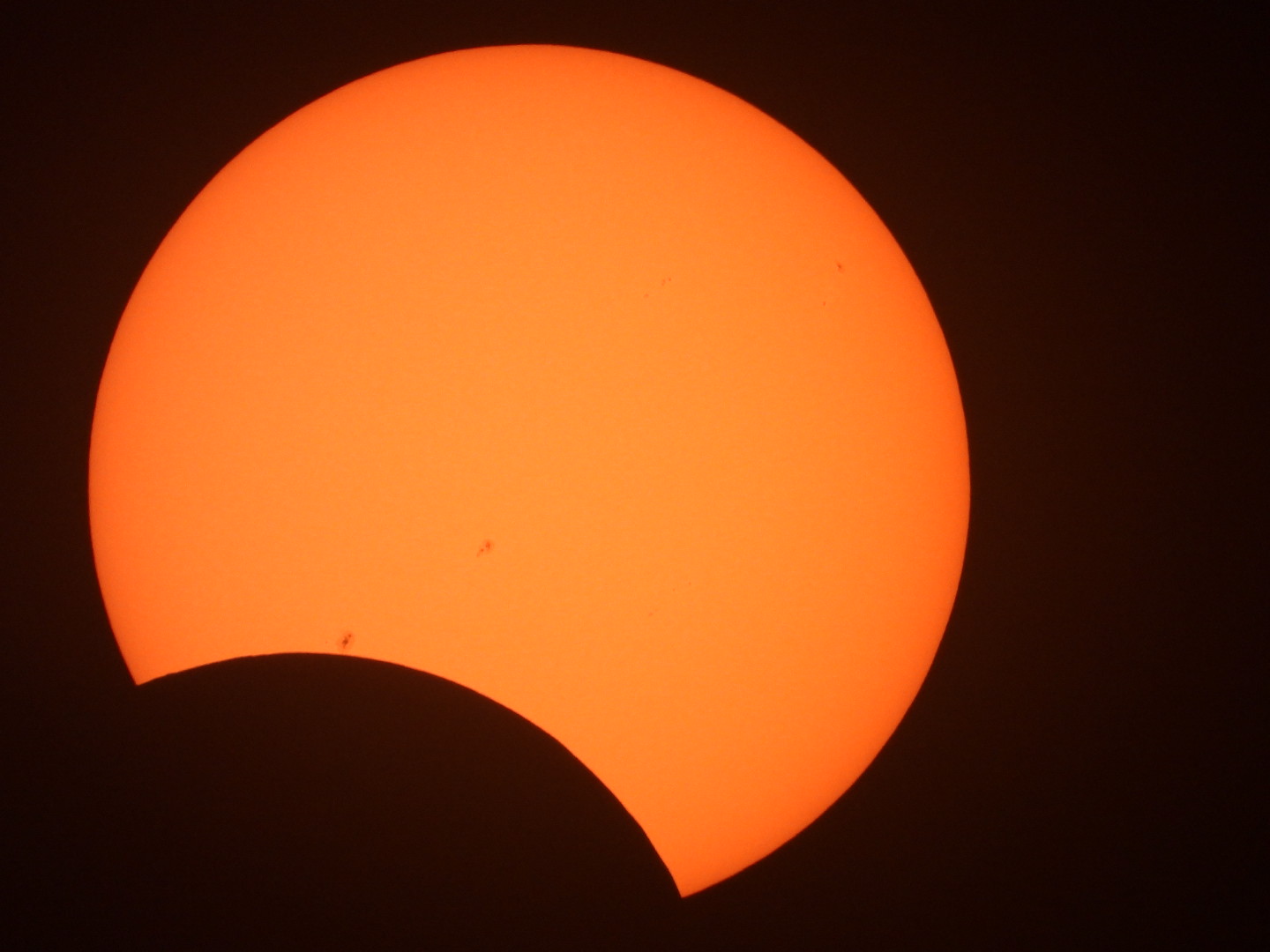
The images below capture different stages of the October 2023 annular eclipse, from the partial phases to the ring of fire itself.
Each image offers a different look at an event that reminds us just how much is happening in the sky above us.